
The right starting point depends on whether you have uncomplicated back or neck pain, a confirmed spinal condition, or warning signs that need urgent medical assessment. You will learn how to prepare for an appointment, what a rehabilitation programme should include, how progress is measured, and when routine exercise is not appropriate.
Key takeaways
- Seek urgent care for weakness, bladder changes, fever, or unexplained weight loss.
- Bring symptom timing, scan reports, medication details, and previous treatment records.
- Expect goals, movement tests, and a tailored exercise plan during assessment.
- Report worsening pain, new numbness, or reduced strength before continuing exercises.
Is spine rehabilitation the right first step for your symptoms?
Start with routine rehabilitation only when symptoms are uncomplicated, stable, and free of neurological or systemic warning signs. A search for book spine rehabilitation for worli is a location request, not a diagnosis; the clinician must first decide whether you need exercise, specialist review, imaging, or emergency care.
- Book an assessment for persistent low-back or neck pain, radiculopathy, spinal stenosis, fracture recovery, post-operative symptoms, or a sports-related spine injury. The examination should check strength, sensation, reflexes, gait, movement, and nerve-provocation signs.
- Choose specialist review when arm or leg pain follows a nerve pattern, weakness is developing, walking is worsening, symptoms follow surgery, or you have a fracture or significant sports injury. Ask whether the clinician has experience with your condition and when surgical review is needed.
- Request imaging when examination findings, trauma, suspected fracture, cancer risk, infection, or progressive neurological change makes it relevant. Uncomplicated low-back pain does not automatically require an X-ray or MRI; unnecessary scans can reveal age-related changes that do not explain your pain.
- Seek emergency assessment for new bladder or bowel control problems, saddle numbness, progressive arm or leg weakness, fever with severe back pain, or major trauma. A history of cancer or unexplained weight loss also requires prompt medical review rather than routine booking.
A spine rehabilitation clinic Worli search should never delay urgent care. Once serious causes are excluded, graded exercise and activity retraining can support recovery while progress is tracked through function and neurological status, not pain alone.
What happens during a spine rehabilitation assessment and programme?
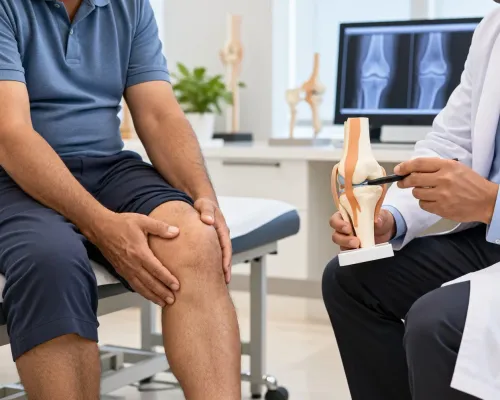
Your first appointment at a spine rehabilitation clinic Worli patients should expect starts with a review of your symptoms, medical history, previous treatment, scans, operations, medication, and pain pattern. The clinician will ask what triggers symptoms, where pain travels, and whether numbness, weakness, or night disturbance is changing.
- Strength in the arms and legs
- Sensation in relevant skin areas
- Reflexes
- Walking pattern and balance
- Spinal range of movement
- Posture and lifting technique
- Nerve-provocation tests, such as a straight-leg raise or Spurling test, when relevant
The findings help distinguish nerve-root symptoms from non-neurological pain. Loss of power or deteriorating neurological function changes the plan and may require specialist or surgical review instead of simply adding exercises.
Your programme may combine graded movement, trunk or neck strengthening, mobility work, balance training, and retraining for lifting, walking, work, or sport. Education covers sleep positions, work demands, fear of movement, pacing, and safe loading; complete bed rest is not the usual answer for uncomplicated back pain.
Manual therapy, including mobilisation or manipulation, belongs within an exercise-based programme rather than acting as stand-alone spinal recovery therapy.
Session frequency and duration depend on your diagnosis, examination findings, medical restrictions, and progress. Reviews track function as well as pain, including walking tolerance, strength, neurological symptoms, and daily activity.
How does rehabilitation differ by spinal condition, and how is progress measured?
Rehabilitation priorities change with the diagnosis. A spinal recovery therapy in Worli programme should match the condition, neurological findings, healing stage, and activity goals rather than follow one standard exercise plan.
| Condition | Main rehabilitation priority |
|---|---|
| Lumbar pain | Restore comfortable movement, trunk and hip strength, lifting confidence, walking, and daily function. |
| Cervical pain | Improve neck and upper-back movement, posture, shoulder strength, and tolerance for desk or driving tasks. |
| Slipped disc without nerve-root symptoms | Grade movement and loading while rebuilding strength and reducing fear of activity. |
| Slipped disc with nerve-root symptoms | Monitor strength, sensation, reflexes, gait, and radiating symptoms; worsening power needs specialist review. |
| Spinal stenosis | Build walking tolerance, leg strength, balance, and strategies for standing or sitting limits. |
| Fracture recovery | Protect healing bone, then progress mobility, strength, balance, and weight-bearing only as cleared. |
| Sports-related injury | Restore control, strength, speed, technique, and sport-specific loading before return to play. |
A discectomy, decompression, fusion, fracture fixation, and deformity operation each has different restrictions. The operating surgeon’s instructions take priority over generic advice about bending, lifting, twisting, driving, wound care, and sport.
Track progress through walking distance, sitting tolerance, appropriate range of motion, strength, balance, sleep, work capacity, sport participation, and daily tasks—not pain alone. The Oswestry Disability Index measures low-back disability, while the Neck Disability Index measures neck-related disability; both add structure to clinical review. Repeated decline warrants reassessment, even when pain has not increased.
How should you prepare for a spine rehab appointment in Worli?
Bring your records and a written symptom history to a spine rehab appointment worli so the clinician can assess your condition rather than guess from pain alone.
1. Pack imaging reports and scan discs, discharge summaries, operation notes, referral letters, medication details including doses, and records of previous physiotherapy. Include recent reports even if the scan was performed at another hospital.
2. Write a symptom timeline: note when symptoms began, pain triggers, numbness or weakness, sleep disruption, walking and sitting limits, and what has changed since treatment. Mark improvements and setbacks by date.
3. List prior operations and medical conditions, including diabetes, osteoporosis, cancer, or previous spinal problems. Define activity goals such as returning to work, climbing stairs, driving, lifting, or resuming sport.
4. Expect questions, movement testing, strength and sensation checks, reflexes, walking assessment, and examination of the painful area. The clinician might use hands-on assessment or treatment; ask what it involves and give consent before it starts.
Ask who will assess you, what the working diagnosis is, how progress will be measured, which bending, lifting, driving, or sporting restrictions apply, and when surgical or neurological review is needed.
At Shiva Orthopaedic Centre, a Worli patient can use these questions to confirm that the clinician’s experience and referral pathway fit the specific condition, operation, or neurological symptoms rather than choosing a service solely because it is nearby.
Related service
Sports Injury Rehabilitation Sports Injury Rehabilitation in Worli – Dr. Kumar Dussa Dr. Kumar Dussa at Shiv Orthopaedic Centre, Worli, offers specialized Sports Injury... View service → |
How do you judge exercise soreness, recovery, and the need for reassessment?
Mild muscle soreness after exercise is expected when it settles during the planned recovery period. Increasing radiating pain, new numbness, loss of power, worsening gait, reduced function, or symptoms that persist after you reduce the load indicate deterioration, not useful training discomfort.
For uncomplicated back pain, keep moving with graded activity rather than complete bed rest, which can cause deconditioning. Reduce the aggravating movement, shorten walks, or lower resistance, then build back gradually. Post-operative and fracture restrictions override this approach: follow the surgeon’s limits on bending, lifting, twisting, driving, and sport.
Contact the treating team if your walking, sitting, sleep, work, or daily tasks are declining, or if exercises repeatedly aggravate symptoms despite adjustment. Seek urgent medical assessment for:
- New bladder or bowel dysfunction
- Numbness around the saddle area
- Severe or progressive weakness in an arm or leg
- Fever with severe back pain
- Major trauma
A spine rehabilitation specialist in Worli should also reassess neurological changes rather than simply progress exercises. Before starting, ask the clinician to explain the working diagnosis, expected benefits, risks, alternatives, measurable goals, and escalation criteria. A credible provider will tell you when to stop routine rehabilitation and seek surgical, neurological, or emergency review.
Frequently asked questions
Is spine rehabilitation the right first step for my symptoms?
Routine rehabilitation fits uncomplicated, stable symptoms without neurological or systemic warning signs. New weakness, loss of bladder or bowel control, saddle numbness, fever, major trauma, or unexplained weight loss requires prompt medical assessment instead of self-directed exercise.
What happens during a spine rehabilitation assessment?
The clinician reviews your symptoms, medical history, scans, medicines, work demands, and daily limitations. They assess posture, spinal movement, strength, sensation, balance, and functional tasks before setting goals and selecting exercises.
How does rehabilitation differ by spinal condition?
Treatment depends on the diagnosis, irritability of symptoms, neurological findings, strength, mobility, and functional goals. A programme for mechanical back pain is not interchangeable with rehabilitation after spinal surgery, nerve compression, fracture, or a sports injury.
How is progress measured during spine rehabilitation?
Progress is tracked through changes in pain behaviour, movement range, strength, walking or lifting ability, sleep, work tasks, and agreed functional goals. The clinician adjusts the programme when symptoms, examination findings, or performance do not improve as expected.
How should I prepare for a spine rehab appointment in Worli?
Bring scan reports and images, a medication list, previous treatment records, symptom dates, and details of activities that worsen or relieve symptoms. Wear comfortable clothing and note any numbness, weakness, balance changes, or bladder and bowel symptoms.
Keywords