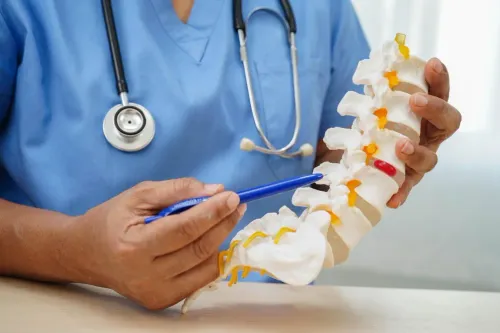
The spine protects the spinal cord while supporting movement, posture, and balance. Because of its vital role, injuries involving the spine should never be ignored. Whether caused by an accident, a fall, or repetitive strain, timely Spine Injury Treatment helps reduce complications and supports better recovery.
Many spinal injuries are manageable when diagnosed early, making prompt medical evaluation especially important.
Spine Injuries Can Range From Mild to Severe
Not every spine injury results in paralysis or major disability. Some involve muscles or ligaments, while others affect bones, discs, or nerves.
Common spinal injuries include:
- Compression fractures
- Disc injuries
- Ligament sprains
- Muscle strains
- Vertebral fractures
- Nerve compression
- Cervical spine injuries
The severity depends on the type of injury and the structures involved.
Symptoms That Should Not Be Ignored
Medical assessment is recommended when symptoms include:
- Severe back or neck pain
- Pain after a fall or accident
- Tingling in the arms or legs
- Numbness
- Muscle weakness
- Difficulty walking
- Loss of bladder or bowel control
Some symptoms require immediate emergency evaluation.
Diagnosing the Exact Cause
A detailed orthopedic assessment helps identify the injured structures.
Investigations may include:
- Physical examination
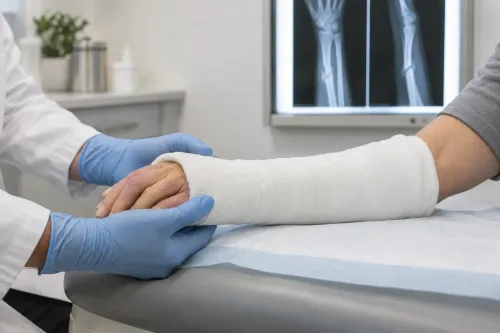
- X-rays
- MRI scans
- CT scans
- Neurological assessment
Accurate diagnosis prevents unnecessary treatments and supports appropriate recovery planning.
Treatment Depends on Injury Severity
Management varies widely according to the diagnosis.
Conservative Treatment
Many injuries improve with:
- Activity modification
- Medication
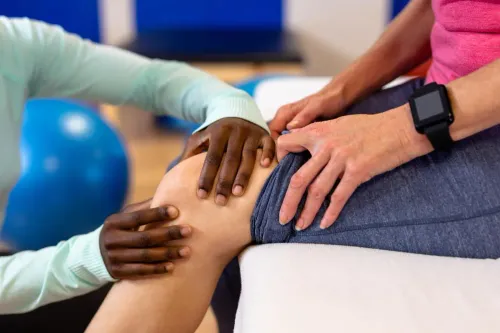
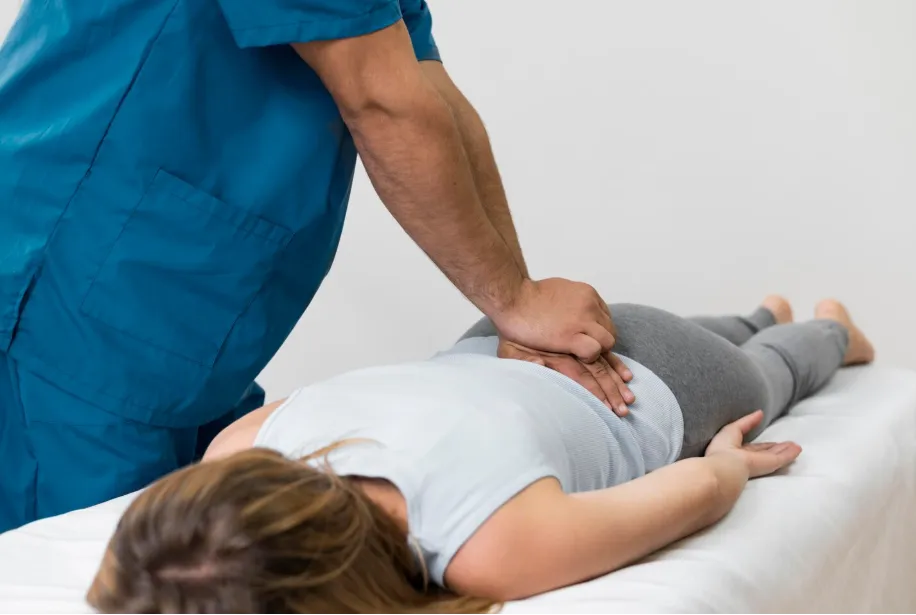
- Physiotherapy
- Posture correction
- Bracing when appropriate
Surgical Care
Surgery may be recommended when there is spinal instability, significant fractures, or nerve compression causing progressive symptoms.
The decision is based on clinical findings rather than imaging alone.
Rehabilitation Remains Essential
Recovery continues long after the initial treatment.
Rehabilitation aims to:
- Restore flexibility
- Improve posture
- Strengthen spinal muscles
- Improve balance
- Reduce recurrence
Individual exercise programmes often provide better outcomes than generalized fitness routines.
Protecting Your Spine Every Day
Healthy habits reduce unnecessary stress on the spine.
These include:
- Maintaining proper posture
- Lifting objects correctly
- Strengthening core muscles
- Taking breaks from prolonged sitting
- Sleeping on a supportive mattress
- Staying physically active
Small lifestyle improvements often make a noticeable difference over time.
Frequently Asked Questions
Can all spine injuries heal without surgery?
Many spinal conditions respond well to conservative treatment, while others require surgical intervention based on severity.
When should MRI be performed?
MRI is recommended when soft tissue injuries, nerve compression, or spinal cord involvement are suspected.
Is walking good after a spine injury?
Depending on the diagnosis, guided walking may become part of rehabilitation after medical clearance.
Can poor posture contribute to spinal problems?
Yes. Long-term poor posture may increase stress on spinal muscles and joints.
Early Evaluation Helps Protect Long-Term Mobility
Prompt diagnosis and appropriate treatment can significantly improve recovery after spinal injuries. Delaying assessment may allow symptoms to worsen or neurological complications to develop.
Patients from Prabhadevi experiencing persistent neck or back pain after injury often benefit from comprehensive orthopedic evaluation. Shiva Orthopaedic Centre offers evidence-based diagnosis and personalized treatment plans focused on restoring spinal function while supporting long-term mobility.
Keywords