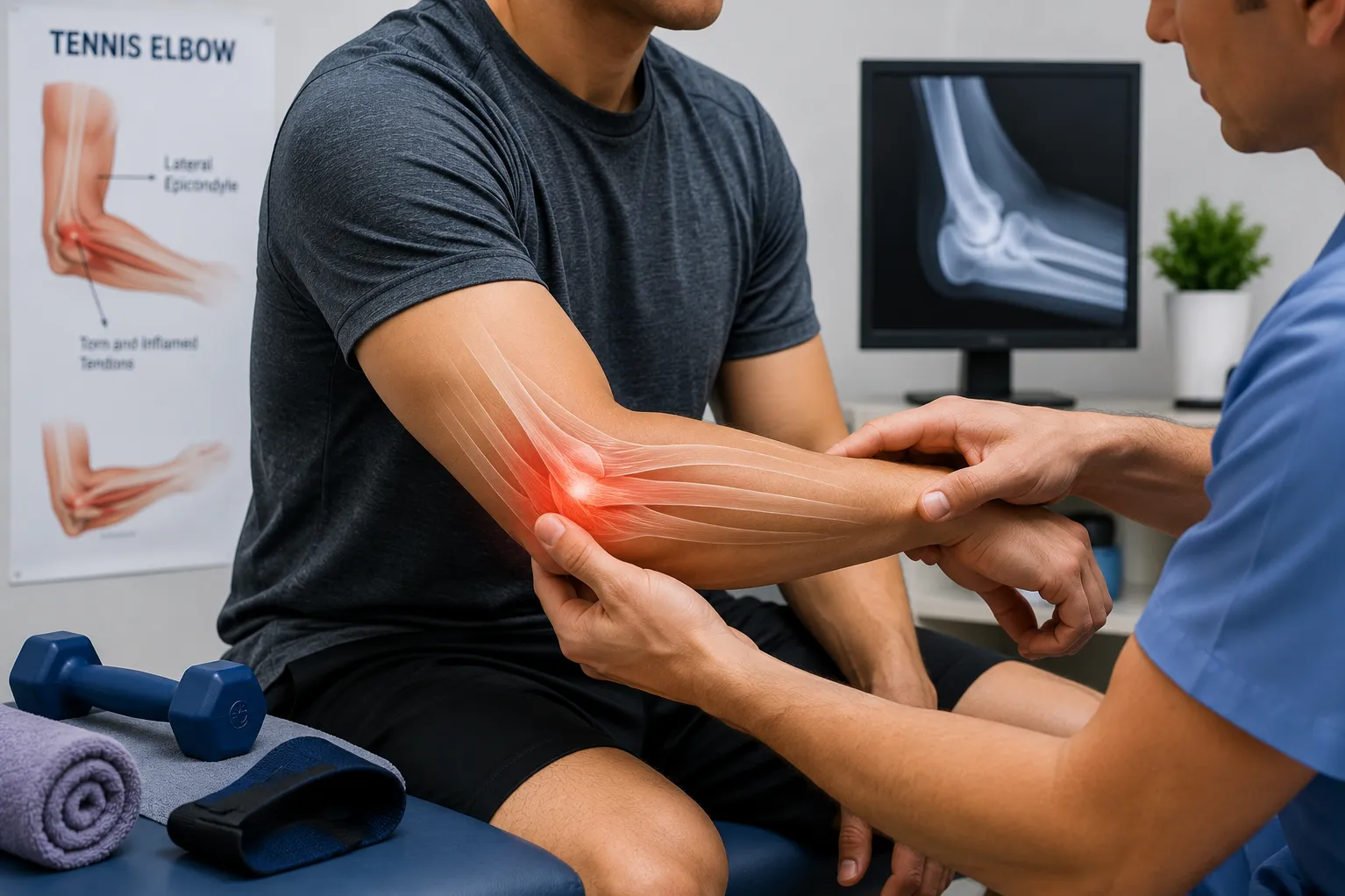
Despite its name, tennis elbow is not limited to athletes. In fact, most people diagnosed with tennis elbow have never played tennis. This common condition affects individuals from a wide range of professions and lifestyles, often interfering with work, hobbies, and daily activities.
Tennis elbow, medically known as lateral epicondylitis, occurs when the tendons connecting the forearm muscles to the elbow become irritated or damaged. Repetitive movements place stress on these tendons, eventually leading to pain and reduced function.
The condition commonly develops gradually rather than appearing suddenly. Many people initially notice mild discomfort on the outer side of the elbow that worsens during certain activities.
Common symptoms include:
- Pain on the outside of the elbow
- Weak grip strength
- Discomfort when lifting objects
- Pain while turning door handles
- Difficulty holding tools
- Increased pain during repetitive hand movements
Although tennis players can develop the condition, several other groups face a higher risk, including:
- Office workers
- Plumbers
- Electricians
- Painters
- Carpenters
- Mechanics
- Computer users
- Fitness enthusiasts
Repetitive wrist extension and gripping activities are often the primary contributors. Even everyday tasks such as carrying shopping bags, using hand tools, or prolonged computer work may place strain on the tendons.
One reason tennis elbow becomes persistent is that people continue using the affected arm despite symptoms. Since many activities require hand and arm movement, complete avoidance is rarely practical.
Diagnosis usually involves a clinical examination where specialists assess pain location, grip strength, and specific movement patterns. Imaging may occasionally be recommended if other conditions need to be ruled out.
Many people assume rest alone will solve the problem. While reducing aggravating activities is important, comprehensive treatment often includes several components.
Common approaches may include:
- Activity modification
- Physiotherapy exercises
- Strengthening programs
- Ergonomic adjustments
- Supportive braces when appropriate
- Advanced interventions in persistent cases
Prevention also plays a significant role. Proper workplace ergonomics, regular stretching, strength training, and attention to repetitive movement patterns can help reduce the risk of recurrence.
For office workers, workstation setup is particularly important. Incorrect keyboard height, poor wrist positioning, and prolonged repetitive tasks may contribute to tendon strain over time.
Fitness enthusiasts should also pay attention to exercise technique. Improper lifting mechanics or sudden increases in training intensity can overload tendons and increase injury risk.
Individuals often seek treatment only after symptoms begin interfering with daily life. However, addressing discomfort early can prevent progression and support faster recovery.
For those exploring tennis elbow treatment in Worli, understanding the causes and risk factors is essential for long-term improvement. Shiva Orthopaedic Centre evaluates elbow pain comprehensively to determine the underlying cause and recommend evidence-based management strategies. Early diagnosis and targeted rehabilitation can help restore strength, improve function, and reduce the likelihood of recurring symptoms.
Keywords