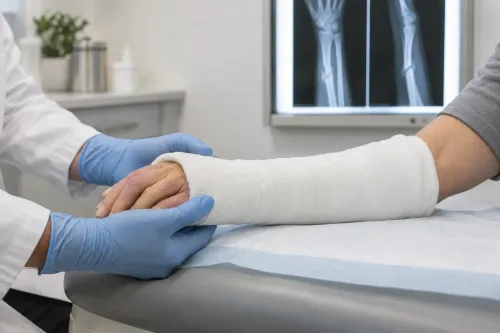

Heel pain can make every step uncomfortable, especially during the first few minutes after getting out of bed. Many people assume the discomfort will disappear on its own, but persistent heel pain may indicate plantar fasciitis. Timely Plantar Fasciitis Treatment helps reduce inflammation, improve mobility, and prevent long-term discomfort.
Whether you spend hours standing at work or enjoy regular exercise, understanding this condition is the first step toward effective recovery.
What Is Plantar Fasciitis?
The plantar fascia is a thick band of tissue that supports the arch of the foot. Repeated stress or excessive strain can cause tiny tears and inflammation within this tissue.
This often leads to pain near the heel, particularly during the first steps taken in the morning.
Common Symptoms
People with plantar fasciitis frequently notice:
- Sharp heel pain after waking up
- Pain after prolonged sitting
- Discomfort during long walks
- Tenderness beneath the heel
- Pain that improves slightly with movement but returns later
Ignoring these symptoms may prolong recovery.
Who Is More Likely to Develop It?
Several factors increase the risk.
These include:
- Standing for long hours
- Running regularly
- Obesity
- Flat feet
- High arches
- Unsupportive footwear
- Tight calf muscles
Office workers and healthcare professionals in Worli, Mumbai, who spend either long hours sitting or standing, may both experience this condition.
How Doctors Diagnose Heel Pain
Diagnosis begins with a detailed clinical evaluation.
The orthopedic specialist may recommend:
- Physical examination
- Foot movement assessment
- Walking analysis
- X-rays if bone-related conditions are suspected
- Ultrasound or MRI in selected situations
The goal is to identify the exact cause instead of assuming every heel pain is plantar fasciitis.
Treatment Options
Management depends on symptom severity.
Stretching Exercises
Regular stretching improves flexibility in the plantar fascia and calf muscles.
Footwear Changes
Supportive shoes reduce pressure on the heel during walking.
Orthotic Insoles
Custom or supportive insoles improve foot alignment.
Physiotherapy
Targeted rehabilitation strengthens foot muscles while reducing stress on the plantar fascia.
Medication
Anti-inflammatory medicines may help control pain during recovery.
Advanced Procedures
Persistent cases may require additional orthopedic interventions depending on clinical findings.
Tips to Prevent Recurrence
After recovery, healthy habits help reduce future problems.
These include:
- Stretching before exercise
- Wearing supportive footwear
- Replacing worn-out shoes
- Gradually increasing workout intensity
- Maintaining a healthy body weight
- Avoiding prolonged barefoot walking on hard floors
Consistency is essential for long-term relief.
Frequently Asked Questions
Can plantar fasciitis heal naturally?
Some mild cases improve with rest and stretching, but persistent symptoms should be professionally evaluated.
Is complete bed rest recommended?
No. Controlled activity combined with appropriate treatment generally supports better recovery.
Can running worsen plantar fasciitis?
Continuing high-impact activity without treatment may increase tissue irritation.
When should I consult an orthopedic specialist?
If heel pain lasts longer than a few weeks or interferes with daily activities, medical evaluation is advisable.
Early Treatment Helps You Stay Active
Heel pain can affect work, exercise, and daily routines if ignored. Proper diagnosis and individualized care help patients recover safely while reducing the chance of recurrence.
Many patients in Worli seek orthopedic assessment when persistent heel pain begins limiting their mobility. Shiva Orthopaedic Centre evaluates foot conditions thoroughly and recommends personalized treatment strategies that support long-term comfort and function.
Keywords