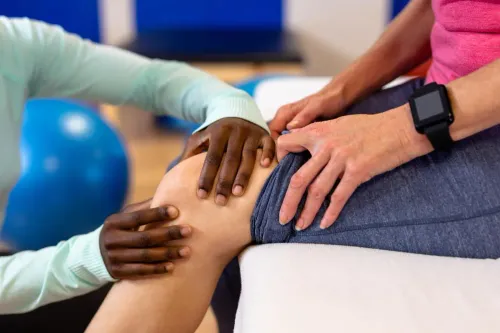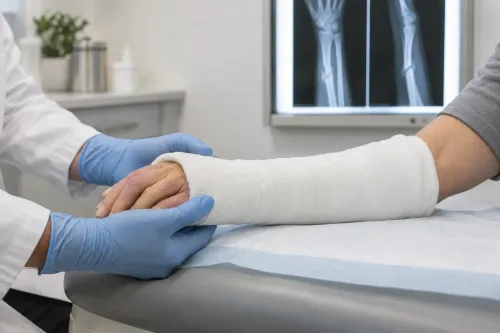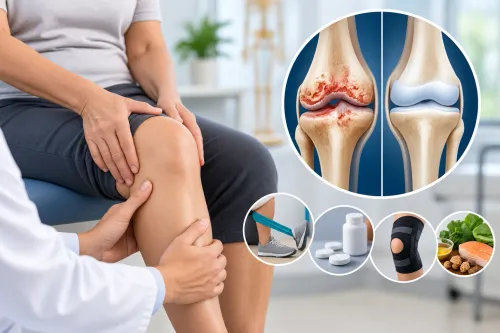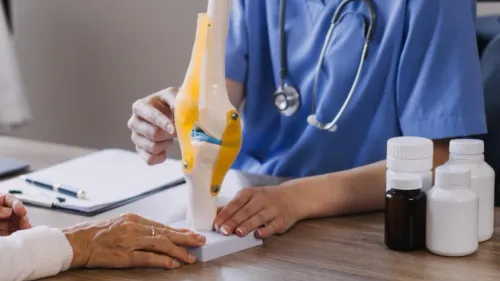
Athletes are not the only people who experience sports injuries. Fitness enthusiasts, runners, cyclists, gym-goers, and even individuals participating in recreational activities can develop injuries that affect performance and daily life. One of the most common mistakes is assuming that minor pain will simply disappear with time.
While some aches may resolve naturally, persistent discomfort often signals underlying tissue damage that deserves attention. Ignoring these early warning signs can sometimes transform a manageable issue into a long-term problem.
Sports injuries generally occur due to overuse, improper technique, inadequate recovery, sudden trauma, or muscle imbalances. The body is remarkably resilient, but repeated stress without sufficient healing can gradually overwhelm tissues.
Common sports-related injuries include:
- Ligament sprains
- Muscle strains
- Tendon injuries
- Meniscus tears
- Shoulder injuries
- Stress fractures
- Tennis elbow
- Runner's knee
- Rotator cuff injuries
Many active individuals continue training despite discomfort because the pain seems mild or intermittent. However, pain serves as an important warning mechanism. When ignored, damaged tissues may continue deteriorating.
Consider a runner with mild knee pain. Initially, the discomfort may only occur after long runs. Without addressing the underlying cause, the condition can progress, affecting walking, stair climbing, and daily activities. Similar patterns occur with shoulder injuries, tendon problems, and stress fractures.
Several signs suggest that an injury requires professional evaluation:
- Pain lasting more than a few days
- Swelling around a joint
- Reduced strength
- Instability during movement
- Limited range of motion
- Recurring symptoms during activity
Early diagnosis often shortens recovery time. Modern sports medicine focuses not only on treating injuries but also on identifying contributing factors such as biomechanics, muscle imbalances, training errors, and equipment-related issues.
Recovery is rarely limited to rest alone. Effective rehabilitation may involve:
- Physiotherapy
- Strength training
- Flexibility exercises
- Activity modification
- Movement correction
- Gradual return-to-sport planning
One of the biggest misconceptions is that complete inactivity is always the best solution. In reality, structured rehabilitation often allows tissues to heal while maintaining overall fitness and function.
Mumbai's growing fitness culture has increased participation in running events, gym training programs, cycling groups, and recreational sports. While these activities provide tremendous health benefits, they also increase the risk of overuse injuries when training intensity exceeds recovery capacity.
Preventive strategies remain important for both professional athletes and recreational participants. Warm-up routines, proper footwear, adequate hydration, recovery periods, and technique refinement can significantly reduce injury risk.
For individuals researching sports injury treatment in Mumbai, early evaluation can help prevent minor problems from becoming chronic limitations. Shiva Orthopaedic Centre provides assessments aimed at identifying the root cause of sports-related injuries and supporting safe recovery. Addressing symptoms early often allows patients to return to their preferred activities more efficiently while reducing the likelihood of future injury recurrence.
Keywords