Physical activity offers countless health benefits, but every sport carries a risk of injury. Whether you are a professional athlete, a weekend runner, a gym enthusiast, or someone who enjoys recreational sports, the right Sports Injury Rehabilitation programme plays a key role in returning to activity safely.
Recovery is not simply about resting until the pain disappears. Proper rehabilitation helps restore strength, mobility, balance, and confidence while reducing the likelihood of reinjury.
Sports Injuries Affect More Than Professional Athletes
Many people assume sports injuries happen only during competitive events. In reality, injuries commonly occur during fitness training, recreational games, cycling, jogging, and even home workouts.
Common orthopedic sports injuries include:
- Ligament sprains
- Muscle tears
- Tendon injuries
- Knee injuries
- Shoulder instability
- Ankle sprains
- Stress fractures
The severity varies from mild strains to injuries requiring surgical treatment.
Why Rest Alone Is Not Enough
Pain often decreases after a few days, leading many individuals to resume activity too soon.
Unfortunately, incomplete recovery may result in:
- Muscle weakness
- Joint instability
- Poor movement patterns
- Reduced performance
- Higher risk of another injury
Rehabilitation focuses on restoring the body completely rather than simply eliminating pain.
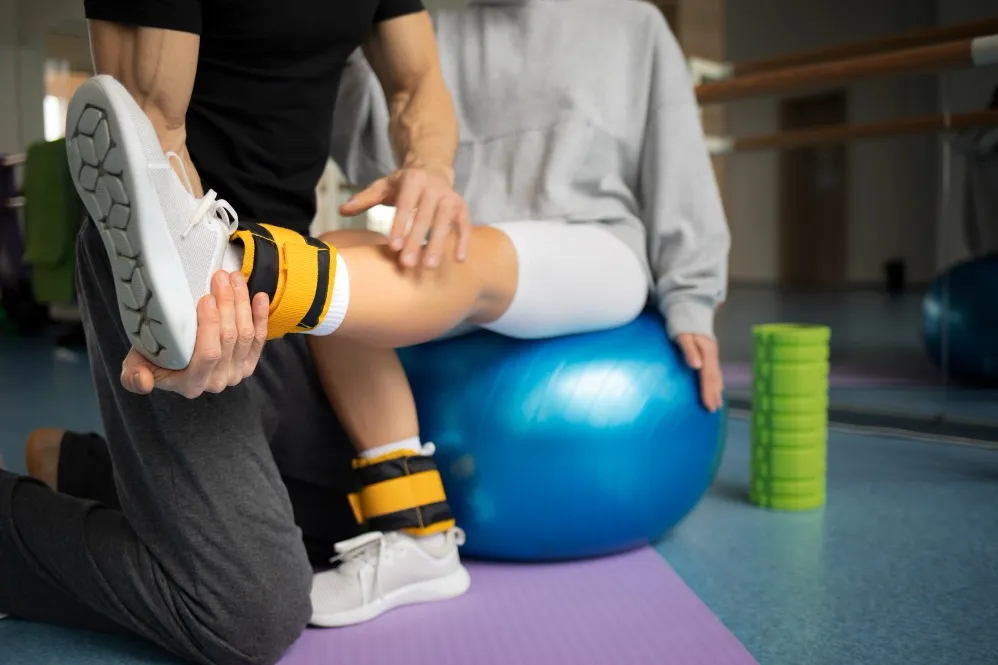
The Different Stages of Rehabilitation
Recovery usually progresses through carefully planned stages.
Pain and Swelling Control
Ice therapy, appropriate medication, and activity modification help reduce inflammation.
Restoring Movement
Gentle exercises improve flexibility while preventing joint stiffness.
Strength Development
Specific exercises rebuild muscles that support the injured area.
Balance and Coordination
Training improves stability, helping reduce future injury risk.
Return to Sport
Sport-specific exercises prepare patients for safe participation again.
Each stage builds on the previous one and should not be rushed.
Individualized Rehabilitation Produces Better Results
Every injury is different.
Factors influencing rehabilitation include:
- Type of sport
- Age
- Fitness level
- Previous injuries
- Surgical or non-surgical treatment
- Recovery goals
A recreational runner and a professional football player may have similar injuries but require different rehabilitation strategies.
Preventing Future Injuries
Many sports injuries can be reduced by following preventive measures.
Helpful practices include:
- Proper warm-up routines
- Stretching after exercise
- Strength training
- Wearing suitable footwear
- Gradually increasing workout intensity
- Allowing adequate recovery between sessions
Consistency often matters more than intensity.
Nutrition Supports Healing
Recovery depends not only on exercise but also on proper nutrition.
Important nutrients include:
- Protein for muscle repair
- Calcium for bone strength
- Vitamin D
- Vitamin C
- Healthy fats
- Adequate hydration
Balanced nutrition supports tissue healing throughout rehabilitation.
Frequently Asked Questions
When should rehabilitation begin?
Depending on the injury, rehabilitation often starts soon after medical evaluation under professional guidance.
Is complete rest recommended?
Only during the initial phase for certain injuries. Controlled movement usually becomes important during recovery.
Can rehabilitation prevent surgery?
Some injuries recover well with structured rehabilitation, while others may still require surgical intervention.
How long does recovery take?
Recovery varies depending on the injury, treatment method, and patient participation in rehabilitation.
Structured Recovery Helps Patients Return With Confidence
Successful rehabilitation focuses on restoring strength, flexibility, and movement while preparing the body for future activity. Returning too early without adequate recovery may increase the chance of another injury.
Fitness enthusiasts and athletes across Worli often seek orthopedic guidance after sports-related injuries to ensure safe recovery. Shiva Orthopaedic Centre combines orthopedic evaluation with personalized rehabilitation planning to support long-term performance and injury prevention.
Keywords