
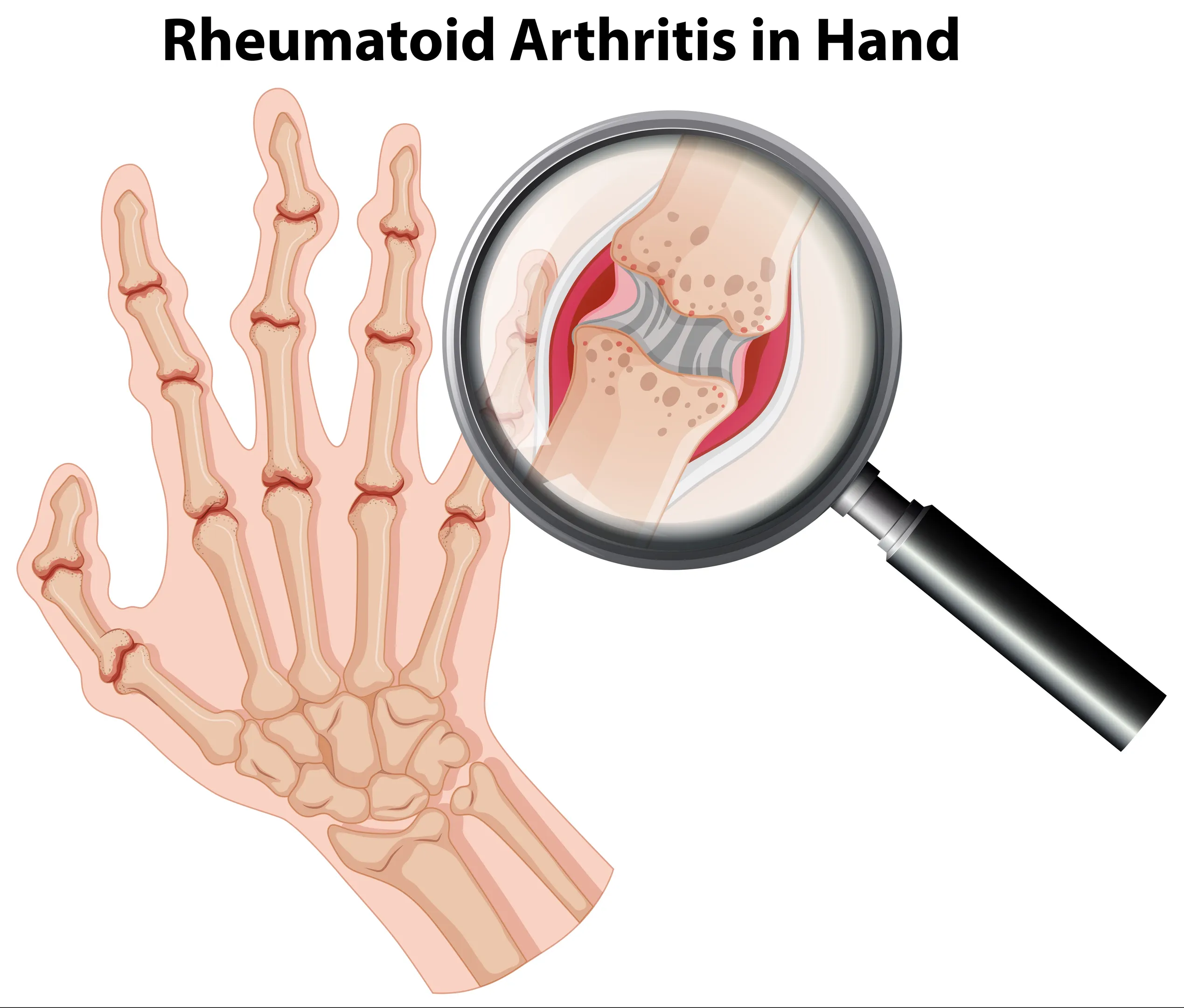
Joint pain that affects both sides of the body, morning stiffness lasting for hours, and persistent swelling may indicate something more than ordinary arthritis. These symptoms can be associated with rheumatoid arthritis, an autoimmune condition that requires timely medical attention.
Understanding Rheumatoid Arthritis Treatment helps patients begin appropriate care before inflammation causes long-term joint damage.
What Makes Rheumatoid Arthritis Different
Unlike osteoarthritis, which develops from wear and tear, rheumatoid arthritis occurs when the immune system mistakenly attacks healthy joint tissues.
Over time, ongoing inflammation may damage cartilage, bones, ligaments, and surrounding structures if left untreated.
Early diagnosis plays a major role in slowing disease progression.
Symptoms That Should Not Be Ignored
Common signs include:
- Pain in multiple joints
- Swelling in fingers and wrists
- Morning stiffness lasting over an hour
- Fatigue
- Mild fever
- Reduced grip strength
- Difficulty performing routine tasks
Symptoms often appear gradually but may occasionally develop more rapidly.
Who Is at Greater Risk?
Several factors increase the likelihood of rheumatoid arthritis.
These include:
- Family history
- Smoking
- Autoimmune disorders
- Female gender
- Middle adulthood
However, the condition may occur in both men and women of different age groups.
Why Early Treatment Is So Important
Inflammation can permanently damage joints even before severe pain develops.
Starting treatment early may help:
- Preserve joint structure
- Reduce inflammation
- Improve mobility
- Prevent deformities
- Maintain independence
Waiting until symptoms become severe often limits treatment effectiveness.
How Doctors Confirm the Diagnosis
Diagnosis usually combines several assessments.
These may include:
- Clinical examination
- Blood tests
- Inflammatory markers
- Rheumatoid factor
- Anti-CCP antibodies
- Digital imaging
Each piece of information contributes to a more accurate diagnosis.
Treatment Is Usually Personalized
No single treatment suits every patient.
Management may involve:
Disease-Modifying Medicines
These medications help control immune system activity.
Anti-Inflammatory Medication
Used to reduce pain and swelling.
Physiotherapy
Maintains flexibility and strengthens muscles supporting affected joints.
Occupational Therapy
Teaches techniques that reduce stress during daily activities.
Surgical Intervention
Reserved for severe joint damage when conservative treatment is no longer sufficient.
Living Well With Rheumatoid Arthritis
Daily self-care supports medical treatment.
Helpful habits include:
- Regular gentle exercise
- Healthy eating
- Adequate sleep
- Stress management
- Protecting painful joints
- Following prescribed medication schedules
Long-term consistency often improves symptom control.
Frequently Asked Questions
Can rheumatoid arthritis be cured?
There is currently no complete cure, but effective treatment helps many patients achieve long periods of disease control.
Is exercise safe?
Yes. Appropriate low-impact exercise is generally encouraged under medical guidance.
Will every patient develop severe deformities?
Not necessarily. Early diagnosis and modern treatment have significantly improved long-term outcomes.
Can younger adults develop rheumatoid arthritis?
Yes. Although more common in middle age, it may occur earlier.
Acting Early Helps Protect Future Joint Function
Persistent joint swelling should never be ignored, especially when accompanied by prolonged morning stiffness or symmetrical pain.
People living in Dadar who notice ongoing inflammatory joint symptoms often benefit from prompt orthopedic assessment and coordinated care. Shiva Orthopaedic Centre evaluates patients using a structured diagnostic approach, helping identify rheumatoid arthritis early so treatment can begin before irreversible joint damage develops.
Keywords