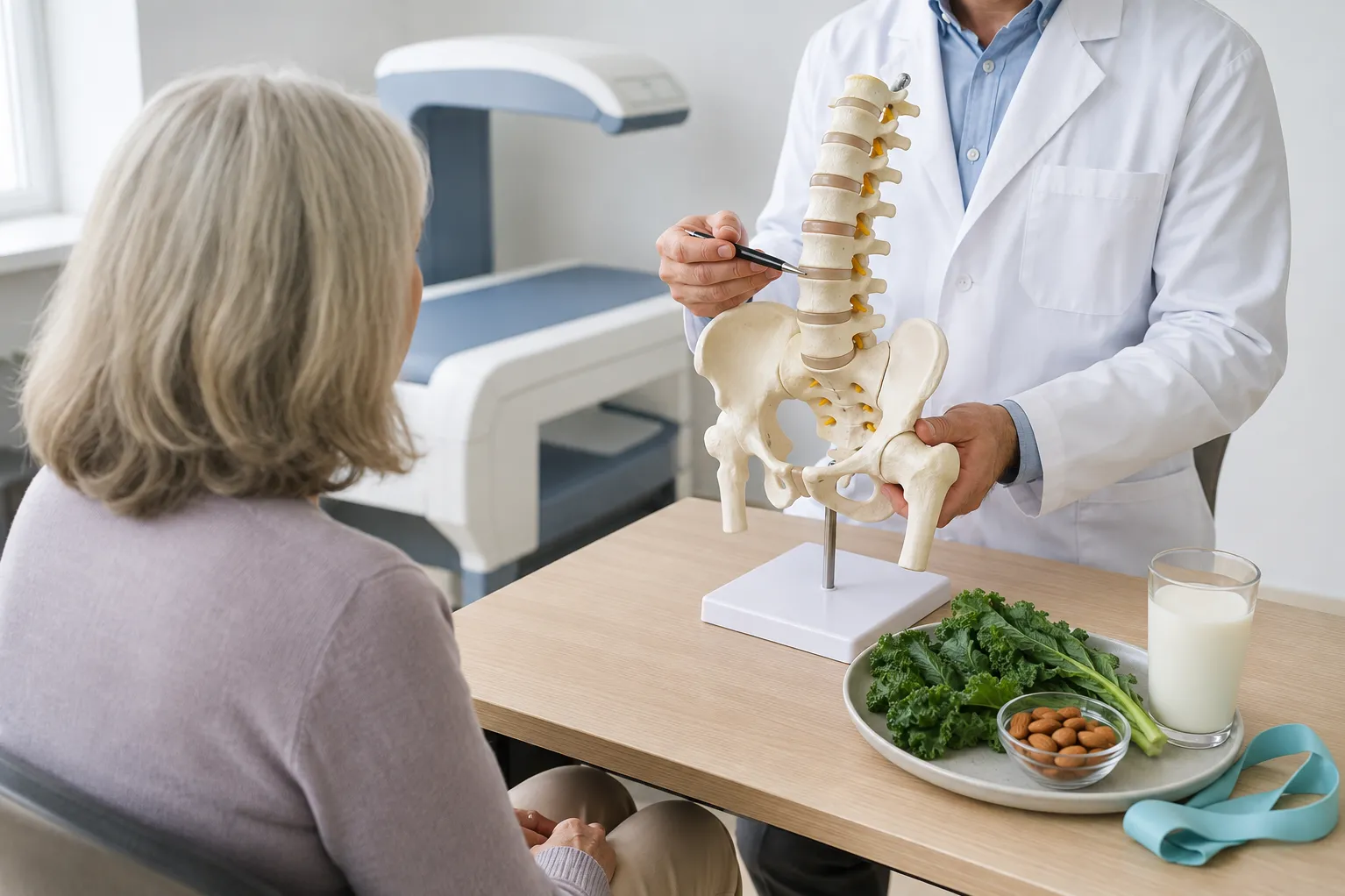
Healthy bones provide the foundation for an active and independent life. However, bone strength naturally changes with age, and in some individuals, bones become thinner and more fragile. Proper Osteoporosis and Bone Health Management focuses on identifying bone loss early and reducing the risk of fractures before they occur.
Understanding bone health is particularly important for older adults, postmenopausal women, and individuals with certain medical conditions.
What Is Osteoporosis?
Osteoporosis is a condition in which bone density gradually decreases, making bones weaker and more likely to fracture.
Unlike many orthopedic conditions, osteoporosis often develops silently without causing noticeable symptoms until a fracture occurs.
Who Is at Higher Risk?
Several factors contribute to reduced bone strength.
These include:
- Ageing
- Family history
- Menopause
- Low calcium intake
- Vitamin D deficiency
- Smoking
- Long-term steroid use
- Physical inactivity
People living in Prabhadevi, Mumbai, often lead busy lifestyles that may limit regular exercise or adequate sunlight exposure, both of which influence bone health.
Why Early Screening Is Valuable
Bone density testing helps detect osteoporosis before fractures develop.
Early identification allows doctors to:
- Estimate fracture risk
- Recommend lifestyle changes
- Begin treatment when appropriate
- Monitor bone health over time
Early intervention often prevents serious complications.
Building Stronger Bones Every Day
Bone health depends on several daily habits working together.
Important measures include:
Calcium-Rich Nutrition
Milk, yogurt, leafy vegetables, and calcium-rich foods support bone formation.
Vitamin D
Adequate vitamin D improves calcium absorption.
Weight-Bearing Exercise
Walking, stair climbing, and resistance exercises strengthen bones.
Fall Prevention
Maintaining balance and removing household hazards reduces fracture risk.
Avoiding Smoking
Smoking negatively affects bone quality and healing.
Medical Treatment Options
Treatment plans depend on bone density results and fracture risk.
Management may include:
- Calcium supplementation when appropriate
- Vitamin D therapy
- Prescription medications that improve bone strength
- Regular bone density monitoring
- Exercise guidance
Individual recommendations vary according to age and overall health.
Frequently Asked Questions
Can osteoporosis be reversed?
While complete reversal is not always possible, treatment helps improve bone strength and reduce fracture risk.
Is osteoporosis only seen in women?
No. Men can also develop osteoporosis, particularly with advancing age or certain medical conditions.
How often should bone density be checked?
The frequency depends on age, medical history, and previous test results.
Does exercise really strengthen bones?
Yes. Appropriate weight-bearing exercises stimulate bone health and improve balance.
Healthy Bones Support Independent Living
Bone health should be viewed as a lifelong priority rather than something to consider only after a fracture occurs. Early assessment combined with healthy lifestyle habits helps maintain strength and mobility for years to come.
Many individuals across Prabhadevi choose orthopedic evaluation when they wish to understand their bone health or reduce future fracture risk. Shiva Orthopaedic Centre provides comprehensive assessment and personalized management plans that help patients protect bone strength while supporting long-term orthopedic wellness.
Keywords