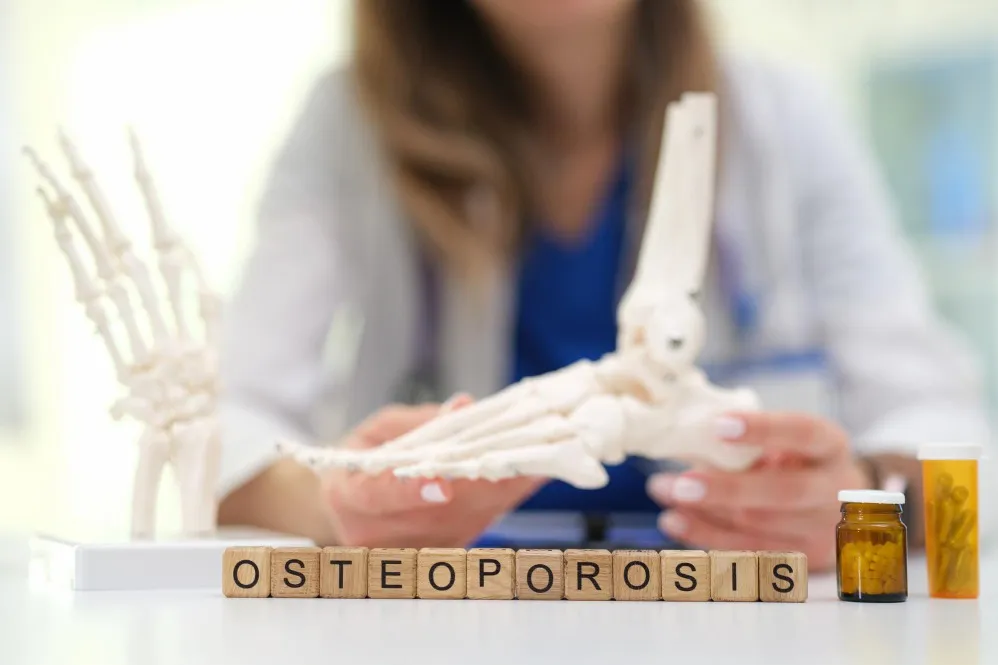
Osteoporosis is often called a silent condition because it can progress for years without noticeable symptoms. Many individuals discover they have osteoporosis only after experiencing a fracture from a minor fall or routine activity. By that stage, bone density may have already declined significantly.
Understanding osteoporosis and taking preventive measures early can play a crucial role in maintaining bone strength and reducing fracture risk.
Bones are living tissues that constantly undergo renewal. Throughout life, old bone tissue is broken down and replaced with new bone. As people age, this balance can shift, causing bone loss to occur faster than bone formation. When bones become weaker and more fragile, osteoporosis develops.
The condition affects both men and women, although postmenopausal women are generally at higher risk due to hormonal changes that accelerate bone loss.
Several factors can contribute to osteoporosis:
- Advancing age
- Family history
- Hormonal changes
- Low calcium intake
- Vitamin D deficiency
- Smoking
- Excessive alcohol consumption
- Sedentary lifestyle
- Certain medications
One challenge with osteoporosis is that symptoms often remain absent until a fracture occurs. However, there are some warning signs that may indicate declining bone health:
- Loss of height over time
- Stooped posture
- Back pain related to spinal fractures
- Increased susceptibility to fractures
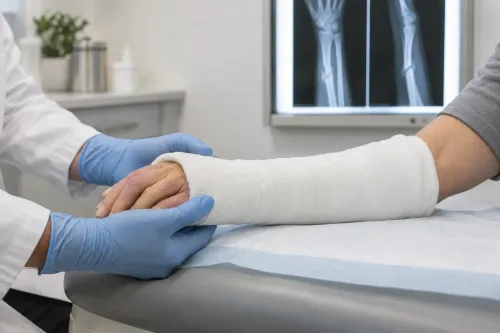
The most common fracture sites associated with osteoporosis include the hip, wrist, and spine. These injuries can significantly impact mobility, independence, and overall wellbeing, particularly among older adults.
Fortunately, osteoporosis is not an inevitable part of aging. Several preventive strategies can help support bone health.
Prioritize Calcium Intake
Calcium is a fundamental building block of bone tissue. Adequate intake through diet or supplementation helps maintain bone strength.
Maintain Healthy Vitamin D Levels
Vitamin D supports calcium absorption and plays a critical role in bone metabolism.
Engage in Weight-Bearing Exercise
Activities such as walking, stair climbing, and resistance training help stimulate bone formation and maintain strength.
Avoid Tobacco and Excessive Alcohol
Both habits are associated with reduced bone density and increased fracture risk.
Schedule Bone Health Assessments
Bone density testing can identify osteoporosis before fractures occur, allowing earlier intervention.
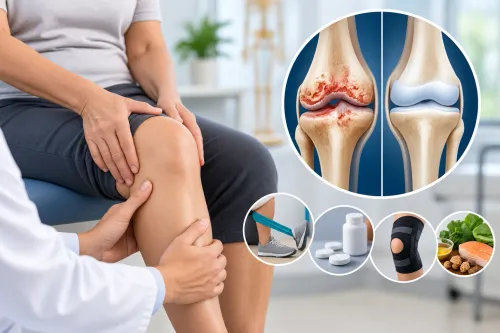
Modern osteoporosis management extends beyond calcium supplements alone. Depending on individual risk factors and bone density results, treatment may include medication, nutritional support, exercise programs, and fall prevention strategies.
Fall prevention is particularly important because fractures often result from seemingly minor accidents. Improving balance, strengthening muscles, and creating safer home environments can help reduce injury risk.
Mumbai's aging population, combined with increasingly sedentary lifestyles, has contributed to growing awareness about bone health. Preventive care is becoming an important part of maintaining long-term mobility and independence.
People with a family history of osteoporosis, previous fractures, or risk factors for bone loss should consider discussing bone health with a qualified specialist. Early identification often allows interventions that significantly reduce future fracture risk.
For individuals exploring osteoporosis treatment in Mumbai, focusing on prevention before fractures occur is one of the most effective strategies available. Shiva Orthopaedic Centre provides evaluations that help assess bone health, identify risk factors, and guide patients toward evidence-based approaches for maintaining stronger bones and reducing long-term complications.
Keywords