Osteoarthritis is one of the most common joint disorders worldwide, affecting millions of people and significantly impacting mobility and daily comfort. Although it is often associated with aging, osteoarthritis can affect adults of different ages, particularly those with previous injuries, excess weight, or repetitive joint stress.
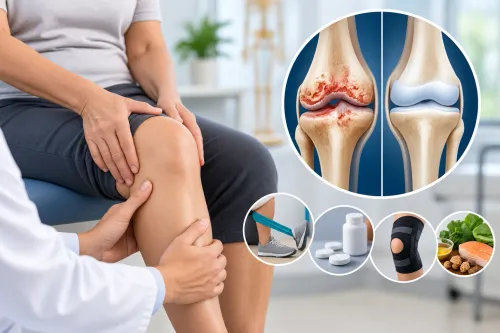
The condition develops when the protective cartilage that cushions the ends of bones gradually wears down. As cartilage becomes thinner, bones may rub against each other, leading to pain, stiffness, swelling, and reduced movement.
Many people first notice osteoarthritis through subtle symptoms. A slight ache after climbing stairs, stiffness after sitting for long periods, or discomfort during routine activities can gradually become more noticeable over time.
Common joints affected by osteoarthritis include:
- Knees
- Hips
- Spine
- Hands
- Shoulders
One of the biggest misconceptions about osteoarthritis is that nothing can be done until surgery becomes necessary. In reality, many individuals successfully manage symptoms for years through a combination of lifestyle changes, physical therapy, and medical care.
Protecting joints starts with daily habits. Small changes can have a meaningful impact on long-term joint health.
Helpful strategies include:
Maintain a Healthy Weight
Every extra kilogram places additional pressure on weight-bearing joints, especially the knees and hips. Weight management is often one of the most effective ways to reduce joint stress and improve mobility.
Stay Physically Active
Movement helps nourish cartilage and strengthen the muscles supporting the joints. Low-impact activities such as walking, swimming, yoga, and cycling are often recommended for individuals with osteoarthritis.
Build Muscle Strength
Strong muscles act as natural shock absorbers. Strengthening exercises supervised by a physiotherapist can improve stability and reduce joint strain.
Avoid Repetitive Joint Stress
Certain occupations and activities involve repeated movements that place stress on specific joints. Proper body mechanics and ergonomic adjustments can help reduce unnecessary strain.
Prioritize Joint-Friendly Nutrition
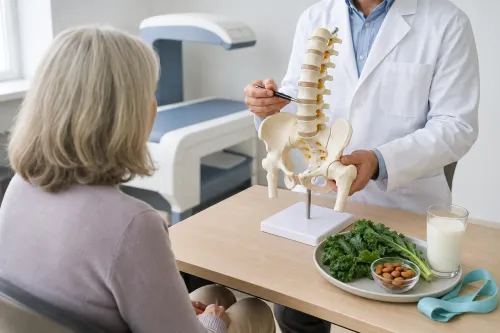
While no specific diet cures osteoarthritis, balanced nutrition supports overall musculoskeletal health. Adequate protein, calcium, vitamin D, and anti-inflammatory foods may contribute to better joint function.
Technology has also transformed osteoarthritis management. Modern diagnostic tools allow orthopaedic specialists to assess joint damage more accurately. Treatment options now extend beyond pain management and often focus on preserving mobility and improving function.
Patients experiencing worsening symptoms should pay attention to warning signs such as:
- Persistent joint pain
- Swelling that does not improve
- Difficulty performing daily activities
- Reduced range of motion
- Joint instability
Timely evaluation can help determine whether symptoms are related to osteoarthritis or another condition affecting the joints.
In areas such as Lower Parel and surrounding parts of Mumbai, active professionals often continue working through joint discomfort until symptoms become severe. Unfortunately, delaying evaluation may lead to greater limitations over time. Seeking guidance early allows patients to explore conservative treatment options before symptoms significantly affect quality of life.
For those researching osteoarthritis treatment in Lower Parel, understanding the condition and adopting joint-protective habits can make a meaningful difference. Shiva Orthopaedic Centre provides assessments focused on identifying the severity of joint degeneration and helping patients choose evidence-based treatment pathways that support mobility, comfort, and long-term joint health.
Keywords