Hip pain often develops gradually, making it easy to mistake for muscle fatigue or lower back discomfort. As the condition progresses, simple activities such as walking, climbing stairs, or getting out of a chair may become increasingly difficult. Understanding Hip Arthritis and Hip Pain Care helps patients seek appropriate treatment before mobility becomes significantly limited.
Early management frequently allows patients to remain active while slowing joint deterioration.
Hip Pain Can Have Several Causes
Although arthritis is a common reason for hip discomfort, it is not the only possibility.
Other causes include:
- Tendon inflammation
- Muscle strain
- Hip bursitis
- Previous injuries
- Labral tears
- Fractures
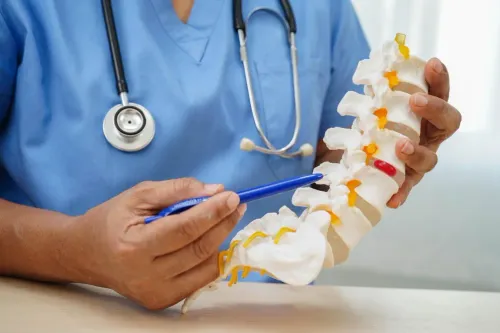
- Referred pain from the spine
Proper diagnosis is essential because treatment depends on the underlying condition.
Symptoms That Suggest Hip Arthritis
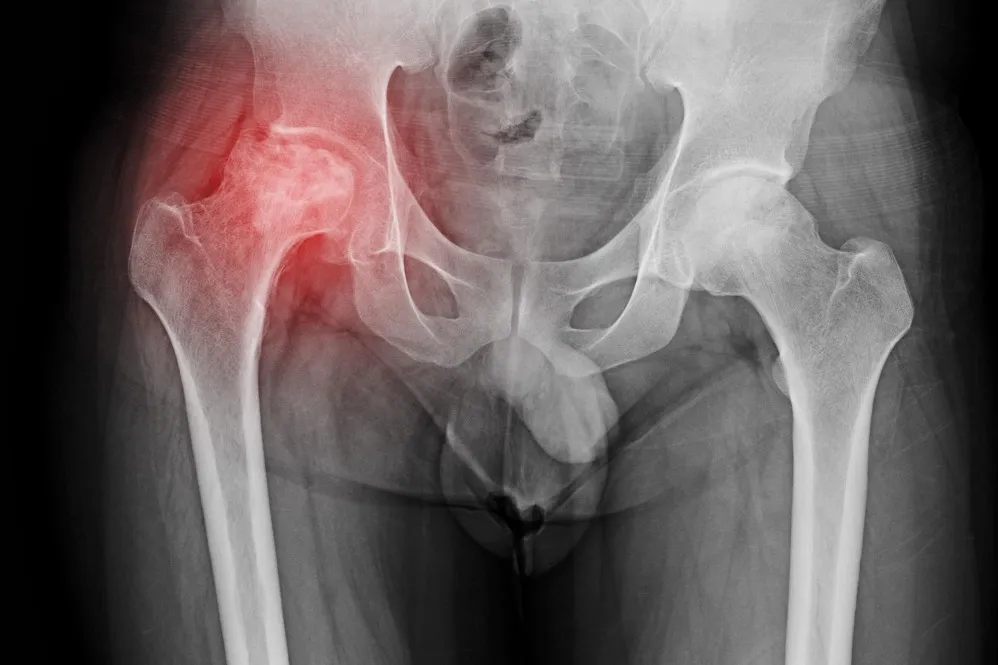
Hip arthritis usually develops slowly.
Patients commonly experience:
- Groin pain during walking
- Stiffness after resting
- Difficulty climbing stairs
- Pain while standing for long periods
- Reduced hip movement
- Limping
Many people living in Mahalaxmi, Mumbai, initially notice discomfort while commuting or walking longer distances.
Why Early Evaluation Matters
Ignoring persistent hip pain may result in worsening joint damage over time.
Early assessment allows doctors to:
- Identify the cause accurately
- Preserve joint function
- Recommend appropriate rehabilitation
- Delay disease progression
- Improve daily mobility
The earlier treatment begins, the more options are generally available.
Treatment Options for Hip Pain
Management depends on the diagnosis and the extent of joint damage.
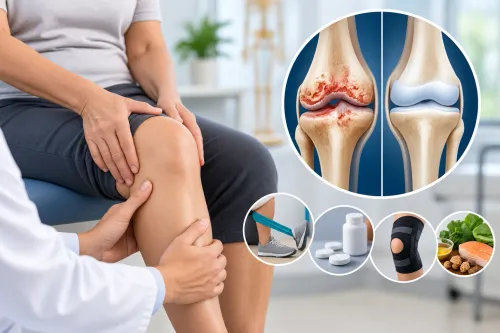
Lifestyle Modification
Reducing excessive stress on the hip often improves symptoms.
Weight Management
Maintaining a healthy weight reduces pressure on the hip joint.
Physiotherapy
Targeted exercises strengthen muscles supporting the hip.
Medication
Pain relief and anti-inflammatory medicines may improve comfort.
Joint Injections
Selected patients may benefit from injections that reduce inflammation.
Hip Replacement Surgery
For advanced arthritis where conservative treatment no longer provides relief, hip replacement can significantly improve quality of life.
Everyday Habits That Support Healthy Hips
Simple lifestyle choices make a difference.
Helpful practices include:
- Regular walking
- Low-impact exercises
- Stretching
- Maintaining proper posture
- Wearing supportive footwear
- Avoiding prolonged sitting
Building strong hip muscles also improves joint stability.
Frequently Asked Questions
Does hip arthritis always require surgery?
No. Many patients manage symptoms successfully with medication, physiotherapy, and lifestyle changes.
Can hip pain come from the back?
Yes. Spine conditions sometimes produce pain that feels like it originates from the hip.
Is exercise safe with hip arthritis?
Appropriate low-impact exercise is usually beneficial when performed under professional guidance.
How long does hip replacement recovery take?
Recovery varies depending on age, health, and rehabilitation progress.
Staying Active Starts With the Right Diagnosis
Hip pain should never be accepted as an unavoidable part of ageing. Understanding the exact cause helps patients receive treatment that supports comfortable movement and long-term joint health.
Patients in Mahalaxmi experiencing ongoing hip discomfort often seek orthopedic evaluation before symptoms interfere with everyday life. Shiva Orthopaedic Centre offers individualized assessment and treatment planning that focuses on preserving mobility while addressing each patient's specific orthopedic condition.
Keywords