Joint pain is one of the most common reasons people seek orthopaedic care. Yet many individuals automatically assume that aging is the sole cause. While age-related wear and tear can contribute to joint discomfort, persistent joint pain often has multiple underlying causes that require proper evaluation.
Joints are complex structures made up of cartilage, ligaments, tendons, muscles, and bones. Any issue affecting these components can result in pain, stiffness, swelling, or reduced movement. Understanding the potential causes can help patients make informed decisions about their health.
One of the most frequently overlooked causes of joint pain is inflammation. Conditions such as rheumatoid arthritis, lupus, and other autoimmune disorders can cause the body's immune system to attack healthy joint tissues. This often leads to pain, swelling, and progressive joint damage if left untreated.
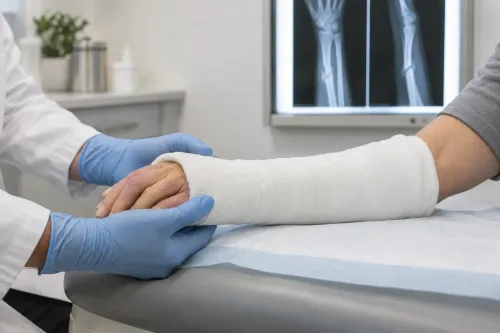
Injuries are another major contributor. Even seemingly minor sports injuries or accidents can create long-term joint problems. Ligament tears, cartilage damage, and untreated fractures may result in chronic discomfort months or even years after the initial injury.
Common causes of persistent joint pain include:
- Osteoarthritis
- Rheumatoid arthritis
- Sports injuries
- Tendon inflammation
- Bursitis
- Cartilage degeneration
- Previous fractures
- Autoimmune disorders
- Obesity-related joint stress
For office workers, repetitive strain is becoming an increasingly common issue. Hours spent typing, using a mouse, or maintaining poor posture can place stress on the wrists, elbows, shoulders, and neck. Over time, these repetitive movements may contribute to joint and soft tissue problems.
Weight also plays an important role in joint health. Excess body weight increases pressure on the knees, hips, and lower back. Studies consistently show that maintaining a healthy weight can reduce stress on joints and improve mobility.
Physical activity is essential, but balance matters. Both inactivity and excessive strain can negatively affect joint health. Low-impact exercises such as swimming, walking, cycling, and guided strengthening programs often help support joint function without excessive stress.
Many patients wonder when they should consult a specialist. Certain symptoms warrant prompt medical evaluation:
- Pain lasting several weeks
- Joint swelling
- Difficulty walking
- Reduced joint movement
- Recurrent joint instability
- Pain that interferes with sleep
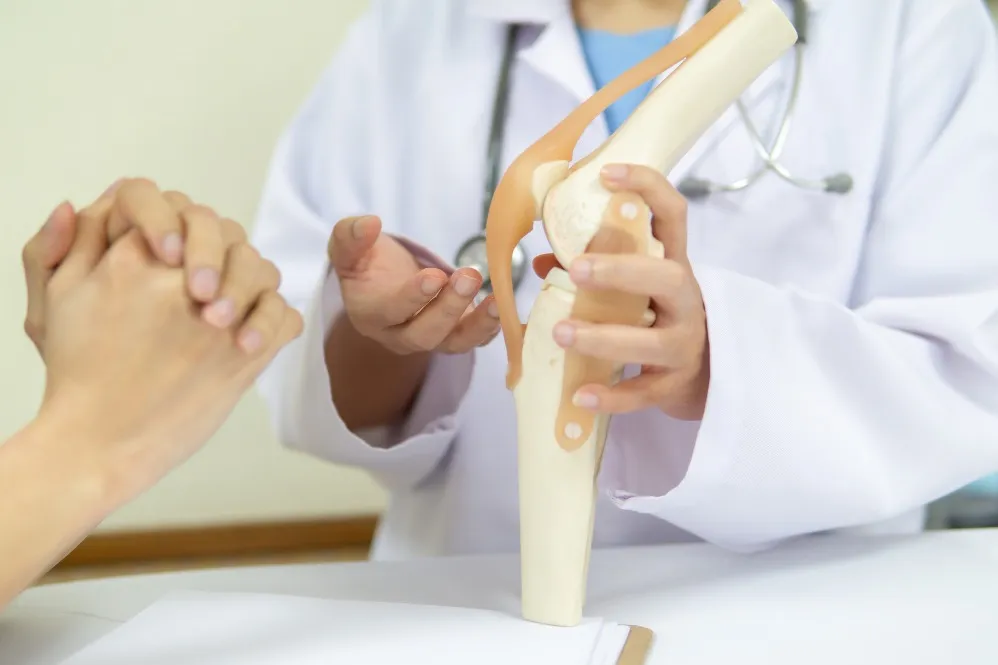
Modern orthopaedic assessment often includes a combination of physical examination, imaging studies, and detailed medical history. Identifying the exact source of pain helps determine the most appropriate treatment plan.
Treatment varies depending on the diagnosis. Options may include physiotherapy, medications, activity modification, joint injections, regenerative therapies, or surgery when indicated. Early intervention often results in better outcomes and improved quality of life.
Residents seeking guidance from a joint pain specialist in Worli often benefit from comprehensive assessments that look beyond age-related changes. At Shiva Orthopaedic Centre, patients receive evaluations aimed at identifying the root cause of discomfort rather than simply managing symptoms. Understanding why joint pain occurs is an important step toward restoring movement, maintaining independence, and improving overall wellbeing.
Keywords