Hip arthritis can develop gradually, making it easy to overlook the early warning signs. What begins as occasional stiffness or discomfort may eventually affect walking, climbing stairs, and even simple daily routines. The good news is that recognizing symptoms early and focusing on mobility preservation can help individuals maintain independence and quality of life for longer.
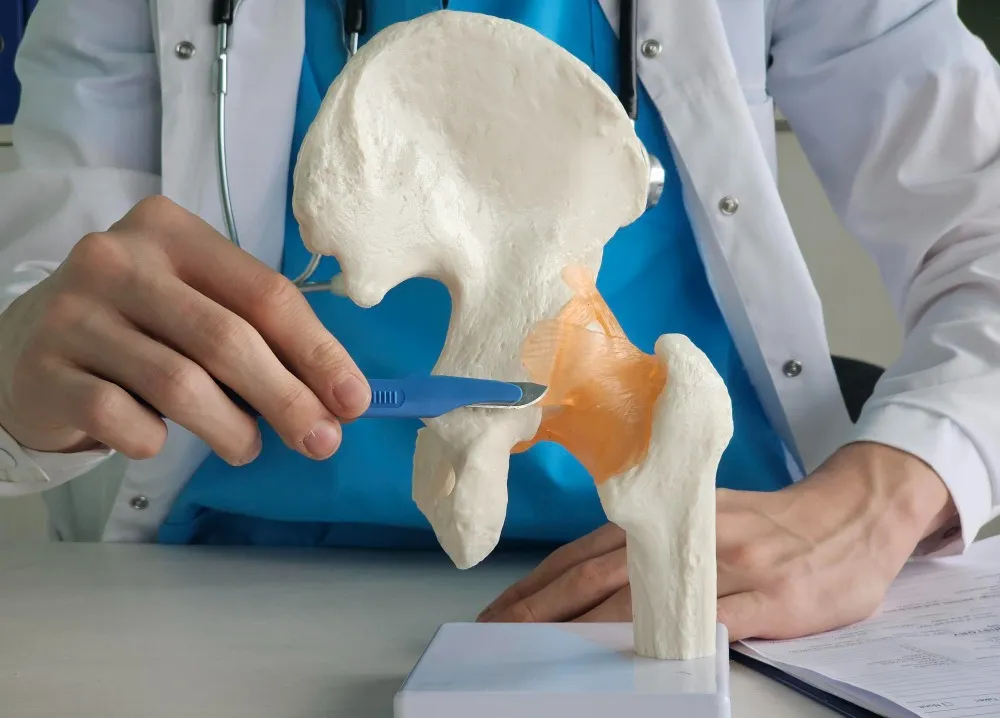
The hip joint is one of the body's largest weight-bearing joints. It plays a critical role in movement, balance, and stability. When arthritis affects the hip, the protective cartilage that cushions the joint begins to wear down, leading to pain, stiffness, and reduced mobility.
Many people initially experience symptoms only during activity. They may notice discomfort after long walks, exercise sessions, or standing for extended periods. As the condition progresses, symptoms can occur even during routine tasks.
Common signs of hip arthritis include:
- Groin pain
- Stiffness after sitting
- Difficulty climbing stairs
- Reduced range of motion
- Limping while walking
- Pain that worsens with activity
One of the most overlooked aspects of hip arthritis management is maintaining mobility. When pain develops, people often reduce movement to avoid discomfort. While this may provide temporary relief, prolonged inactivity can weaken supporting muscles and worsen joint stiffness.
Mobility preservation focuses on maintaining function, flexibility, and strength throughout the progression of the condition. This approach can help individuals stay active and reduce the impact arthritis has on everyday life.
Key strategies include:
Regular Low-Impact Exercise
Activities such as walking, swimming, and cycling help maintain joint movement while minimizing excessive stress on the hip.
Strengthening Supporting Muscles
Strong muscles around the hip provide stability and help reduce the load placed on the joint during movement.
Weight Management
Excess body weight increases stress on weight-bearing joints. Maintaining a healthy weight can help reduce symptoms and improve mobility.
Joint-Friendly Movement Habits
Using proper body mechanics when lifting, sitting, and standing can reduce unnecessary strain on the hip.
Timely Medical Evaluation
Early assessment helps determine the severity of arthritis and identify suitable treatment options before significant joint damage occurs.
Treatment approaches vary based on symptom severity and lifestyle requirements. Many patients successfully manage symptoms through physiotherapy, medication, exercise programs, and lifestyle modifications. Surgical intervention may be considered when conservative measures no longer provide adequate relief.
An important misconception is that hip replacement surgery is the only solution for hip arthritis. In reality, many individuals benefit from non-surgical management for years when symptoms are identified and addressed early.
Residents in areas such as Dadar often lead active personal and professional lives that require regular mobility. Delayed treatment can gradually limit participation in work, recreation, and social activities.
Individuals should consider seeking professional guidance if hip pain persists, mobility declines, or daily activities become increasingly difficult. Early intervention often allows more treatment options and better long-term outcomes.
For those researching hip arthritis treatment in Dadar, understanding the importance of mobility preservation can be a valuable first step. Shiva Orthopaedic Centre provides assessments that focus on both symptom relief and long-term joint function, helping patients make informed decisions about their care and maintain an active lifestyle whenever possible.
Keywords