A fracture can happen unexpectedly during a fall, sports activity, road accident, or even a simple misstep. While some fractures are obvious due to severe pain or visible deformity, others may appear less serious initially. The actions taken during the first 24 hours can significantly influence recovery and help prevent complications.
A fracture occurs when a bone cracks or breaks due to excessive force. The severity can range from small hairline fractures to complex injuries involving multiple bone fragments. Regardless of the type, prompt attention is essential.
The first indication of a fracture is often sudden pain at the site of injury. Other signs may include swelling, bruising, difficulty moving the affected area, and tenderness. In more serious cases, the injured limb may appear misshapen or unable to bear weight.
If a fracture is suspected, the priority should be to minimize movement. Continuing to use the injured body part can worsen damage to surrounding tissues, nerves, and blood vessels.
During the first 24 hours, these steps are generally recommended:
Stop Activity Immediately
Avoid walking, lifting, or placing pressure on the injured area. Rest helps prevent further displacement of the fracture.
Immobilize the Area
A temporary splint or support can help keep the injured part stable until medical assessment is available. Avoid attempting to straighten a visibly deformed limb.
Apply Cold Therapy
Ice packs wrapped in a cloth may help reduce swelling and discomfort. Apply for short intervals rather than prolonged periods.
Elevate When Possible
Keeping the injured limb elevated above heart level can help reduce swelling.
Seek Medical Evaluation Promptly
X-rays and clinical examination are necessary to determine the type and severity of the fracture.
Certain warning signs require immediate medical attention:
- Severe deformity
- Open wounds near the injury
- Numbness or loss of sensation
- Excessive swelling
- Inability to move fingers or toes
- Signs of reduced blood circulation
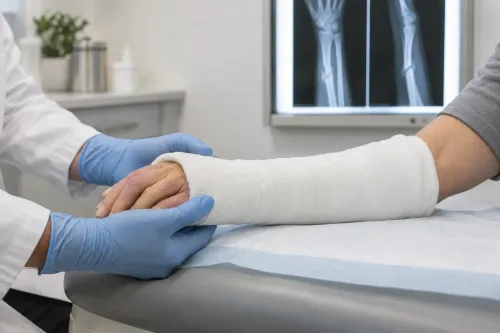
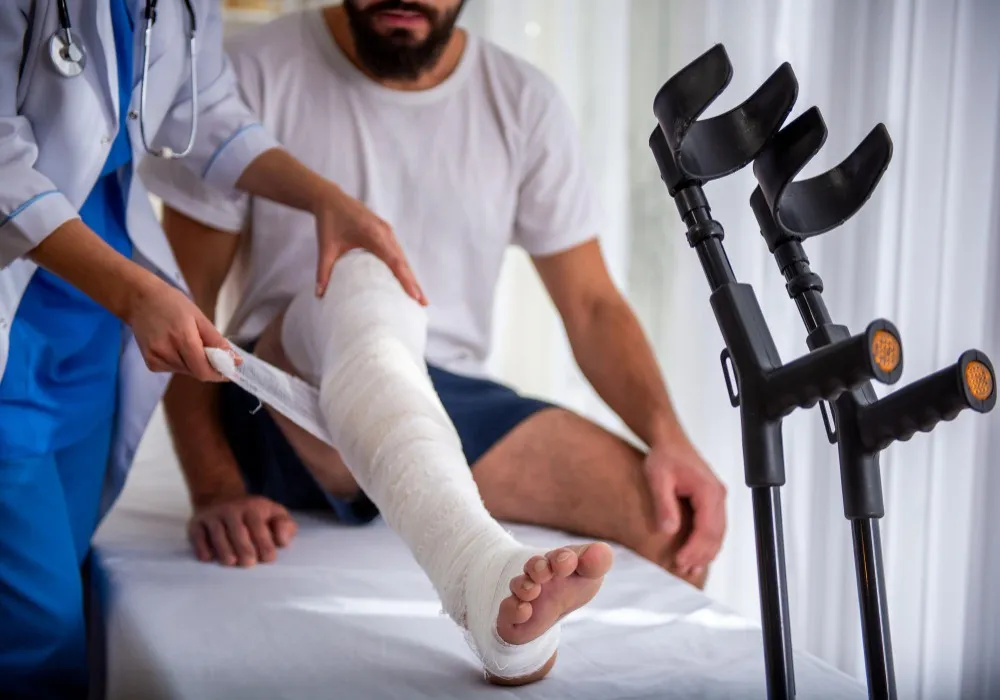
Not all fractures require surgery. Treatment depends on factors such as fracture location, alignment, age, activity level, and overall health. Some fractures heal successfully with casting or bracing, while others may need surgical stabilization.
Recovery timelines vary significantly. A simple fracture may heal within a few weeks, whereas complex injuries can require months of rehabilitation. Physiotherapy often plays an important role in restoring strength, flexibility, and normal function after healing begins.
Residents of Mumbai frequently maintain active lifestyles and demanding work schedules, which can sometimes lead people to underestimate injuries. Continuing daily activities despite significant pain may delay recovery and increase complications.
For individuals seeking fracture treatment in Prabhadevi, understanding the importance of early care can make a meaningful difference. Shiva Orthopaedic Centre evaluates bone injuries comprehensively, helping patients receive appropriate treatment based on the nature of the fracture. Timely diagnosis, proper immobilization, and structured rehabilitation remain essential components of successful fracture recovery.
Keywords