A fracture can occur after a fall, road accident, sports injury, workplace incident, or direct impact. Some fractures cause obvious deformity and severe pain, while others are less dramatic and may initially be mistaken for a sprain.
When seeking Fracture Treatment in Mahalaxmi, understanding what happens between the initial injury and eventual bone healing can make the treatment process easier to follow.
The First Priority Is Correct Diagnosis
Pain, swelling, bruising, tenderness, and difficulty using the injured limb can suggest a fracture, but imaging is usually needed to confirm the diagnosis and understand its pattern.
An X-ray commonly provides the first assessment. Additional imaging may be considered for certain complex injuries or when more anatomical detail is required.
Doctors assess factors such as:
- Which bone is fractured
- Whether the fracture is displaced
- Whether a joint is involved
- Whether the skin is broken
- Stability of the fracture
- Possible injury to surrounding tissues
These findings influence treatment.
Cast Treatment and Surgery Serve Different Purposes
One of the first questions patients often ask is whether surgery will be required.
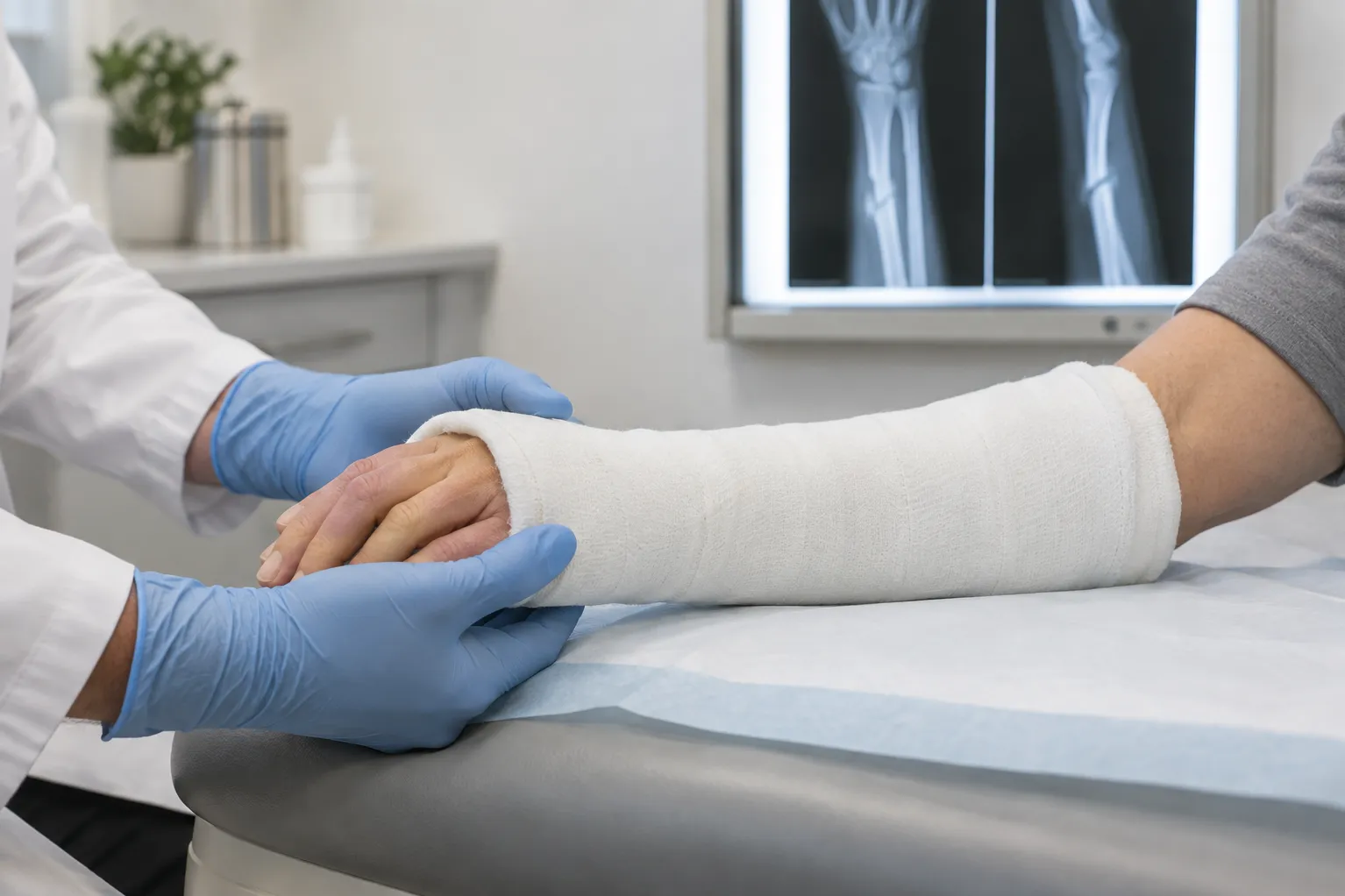
Stable fractures that remain in an acceptable position may sometimes heal with immobilization using a cast, splint, brace, or other support. Other fractures may require reduction, in which the bone fragments are repositioned.
Surgery may be considered when a fracture is significantly displaced, unstable, involves certain joint surfaces, cannot maintain appropriate alignment, or has other features that make operative fixation necessary.
The decision depends on the individual fracture rather than a universal rule.
Healing Requires Monitoring
Fracture care does not finish when a cast is applied or an operation is completed.
Follow-up may be needed to monitor:
- Bone alignment
- Progress of healing
- Swelling
- Skin condition
- Pain
- Movement of nearby joints
- Function of the affected limb
Repeat imaging may be recommended at specific stages depending on the injury.
Patients should follow instructions about weight-bearing carefully. Putting excessive load on some fractures too early can interfere with healing, while unnecessary prolonged restriction can also affect recovery.
Rehabilitation Matters After Immobilization
Muscles may weaken and joints may become stiff during periods of immobilization. Rehabilitation can therefore be an important part of recovery.
Once clinically appropriate, exercises may focus on restoring:
- Joint movement
- Muscle strength
- Balance
- Flexibility
- Walking pattern
- Functional use of the injured area
The pace should match the stage of bone healing and the orthopedic team's guidance.
Avoid Common Fracture-Recovery Mistakes
Several behaviours can complicate recovery.
Patients should avoid removing or modifying a cast without medical guidance, returning to strenuous exercise prematurely, missing recommended follow-ups, or assuming that reduced pain automatically means the bone has completely healed.
It is also important to report increasing pain, unusual swelling, numbness, discoloration of fingers or toes, cast-related pressure problems, or new difficulty moving the extremity.
When Does a Fracture Need Urgent Attention?
Prompt medical assessment is particularly important after significant trauma or when there is visible deformity, an open wound near the suspected fracture, severe swelling, loss of sensation, or changes in circulation.
A suspected neck or spine injury after major trauma should be handled carefully and evaluated urgently.
Orthopedic Fracture Care in Mumbai
In densely travelled areas of Mumbai such as Mahalaxmi, fractures can result from everyday falls, sports activities, traffic incidents, and other accidents.
Shiva Orthopaedic Centre evaluates fracture and musculoskeletal injuries and can guide patients through diagnosis, treatment planning, follow-up, and appropriate rehabilitation.
The objective of fracture treatment is not simply to wait for bone to unite. Good recovery also requires appropriate alignment, safe healing, preservation of joint movement, and gradual restoration of function. Knowing what to expect at each stage can help patients participate more effectively in their recovery.
Keywords