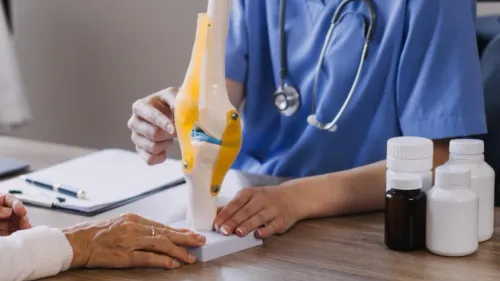

Joint discomfort is one of the most common reasons people reduce their physical activity. While occasional soreness after exercise is normal, ongoing pain may signal an underlying orthopedic condition that deserves proper evaluation.
Effective Joint Pain Management involves understanding why pain occurs and combining medical care with practical lifestyle changes that support healthier joints.
Joint Pain Can Have Many Causes
Not every painful joint is caused by arthritis.
Pain may result from:
- Muscle strain
- Ligament injuries
- Cartilage wear
- Tendon inflammation
- Previous fractures
- Autoimmune disorders
- Repetitive workplace movements
Finding the underlying cause helps determine the most suitable treatment.
Why Ignoring Joint Pain Can Become a Bigger Problem
Many people continue daily activities despite persistent discomfort.
Over time, untreated joint problems may lead to:
- Reduced flexibility
- Muscle weakness
- Balance issues
- Difficulty walking
- Poor posture
- Increased stress on nearby joints
Residents working in corporate offices around Prabhadevi, Mumbai, often spend extended periods sitting, which may contribute to stiffness and worsening symptoms.
Daily Activities That Help Protect Your Joints
Healthy joints benefit from consistent care rather than occasional efforts.
Simple habits include:
- Walking regularly
- Stretching after prolonged sitting
- Using proper lifting techniques
- Maintaining correct posture
- Wearing comfortable footwear
- Staying hydrated
These small adjustments can significantly reduce unnecessary strain.
Weight Plays a Bigger Role Than Many People Realize
Each extra kilogram of body weight increases pressure on the knees and hips during walking.
Maintaining a healthy weight may:
- Reduce joint stress
- Improve mobility
- Decrease inflammation
- Lower the risk of osteoarthritis progression
Balanced nutrition combined with regular activity often supports long-term joint health.
Exercises That Are Usually Joint Friendly
People frequently worry that exercise will worsen pain.
In reality, the right activities strengthen muscles that support joints.
Examples include:
- Swimming
- Cycling
- Gentle yoga
- Water exercises
- Stationary biking
- Guided physiotherapy exercises
High-impact activities should be introduced only after professional advice if joint damage is already present.
When Home Remedies Are Not Enough
Rest, hot compresses, and over-the-counter pain relief may temporarily reduce symptoms, but they do not treat the underlying condition.
Medical assessment becomes important when:
- Pain lasts several weeks
- Swelling keeps returning
- Movement becomes restricted
- Joints feel unstable
- Daily activities become difficult
Early diagnosis often prevents complications.
Understanding the Role of Physiotherapy
Physiotherapy is not only for recovery after surgery.
It also helps patients by:
- Improving flexibility
- Strengthening muscles
- Correcting movement patterns
- Increasing joint stability
- Reducing future injuries
Exercise plans are tailored according to the affected joint and the patient's lifestyle.
Medical Treatments Continue to Improve
Depending on the diagnosis, orthopedic care may include:
- Anti-inflammatory medication
- Joint injections
- Activity modification
- Rehabilitation programmes
- Surgical intervention for advanced disease
Treatment recommendations depend on the severity of symptoms and imaging findings.
Frequently Asked Questions
Should I continue walking if my knees hurt?
Light walking is often beneficial, but persistent pain should be evaluated before continuing strenuous activity.
Does cracking joints cause arthritis?
Current evidence does not support this belief.
Can office work contribute to joint pain?
Poor posture and prolonged sitting may contribute to stiffness and muscle imbalance.
When should I see an orthopedic specialist?
If pain limits normal activities, affects sleep, or continues despite rest, professional assessment is recommended.
Taking Joint Pain Seriously Can Improve Long-Term Mobility
Joint pain should not automatically be accepted as a normal part of ageing. Identifying the cause early often allows for more treatment options and better outcomes.
Many patients from Prabhadevi and surrounding areas consult specialists when persistent discomfort begins affecting work, exercise, or everyday routines. Shiva Orthopaedic Centre evaluates joint conditions using a comprehensive approach that combines clinical examination, imaging when required, and individualized treatment planning to help patients regain comfortable movement.
Keywords