A fracture can happen unexpectedly during a road accident, a fall at home, a sports activity, or even a minor slip. While some fractures are obvious, others may seem like a simple sprain at first. Receiving timely Fracture and Trauma Care is essential because delayed treatment can affect healing, joint movement, and overall function.
Understanding what happens after a bone injury helps patients make informed decisions and avoid complications that may develop later.
Not Every Fracture Looks the Same
A broken bone does not always result in visible deformity. Some fractures are stable, while others involve multiple bone fragments or nearby joints.
Common types include:
- Simple fractures
- Compound (open) fractures
- Hairline fractures
- Stress fractures
- Comminuted fractures
- Joint fractures
Each type requires a different treatment approach, making accurate diagnosis the first priority.
Warning Signs That Need Immediate Medical Attention
Some people continue walking or using the injured limb, believing the pain will settle on its own. However, certain symptoms should never be ignored.
These include:
- Severe pain after an injury
- Swelling that increases rapidly
- Inability to bear weight
- Visible deformity
- Numbness below the injury
- Bleeding from an open wound
- Limited movement of the affected joint
Early evaluation helps prevent further damage to bones, muscles, nerves, and blood vessels.
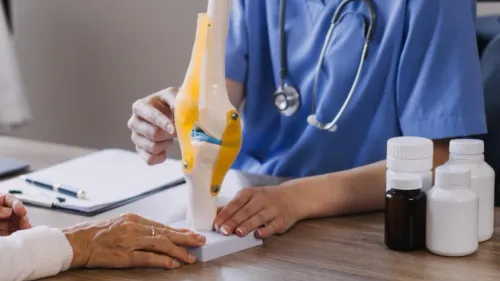
What Happens During an Orthopedic Assessment
After examining the injured area, the orthopedic specialist determines the severity of the injury using clinical findings and imaging studies.
The evaluation may include:
- Physical examination
- Digital X-rays
- CT scan for complex fractures
- MRI if ligament or tendon injuries are suspected
Understanding the complete injury pattern allows appropriate treatment planning instead of focusing only on the broken bone.
Treatment Depends on the Type of Injury
There is no single solution for every fracture.
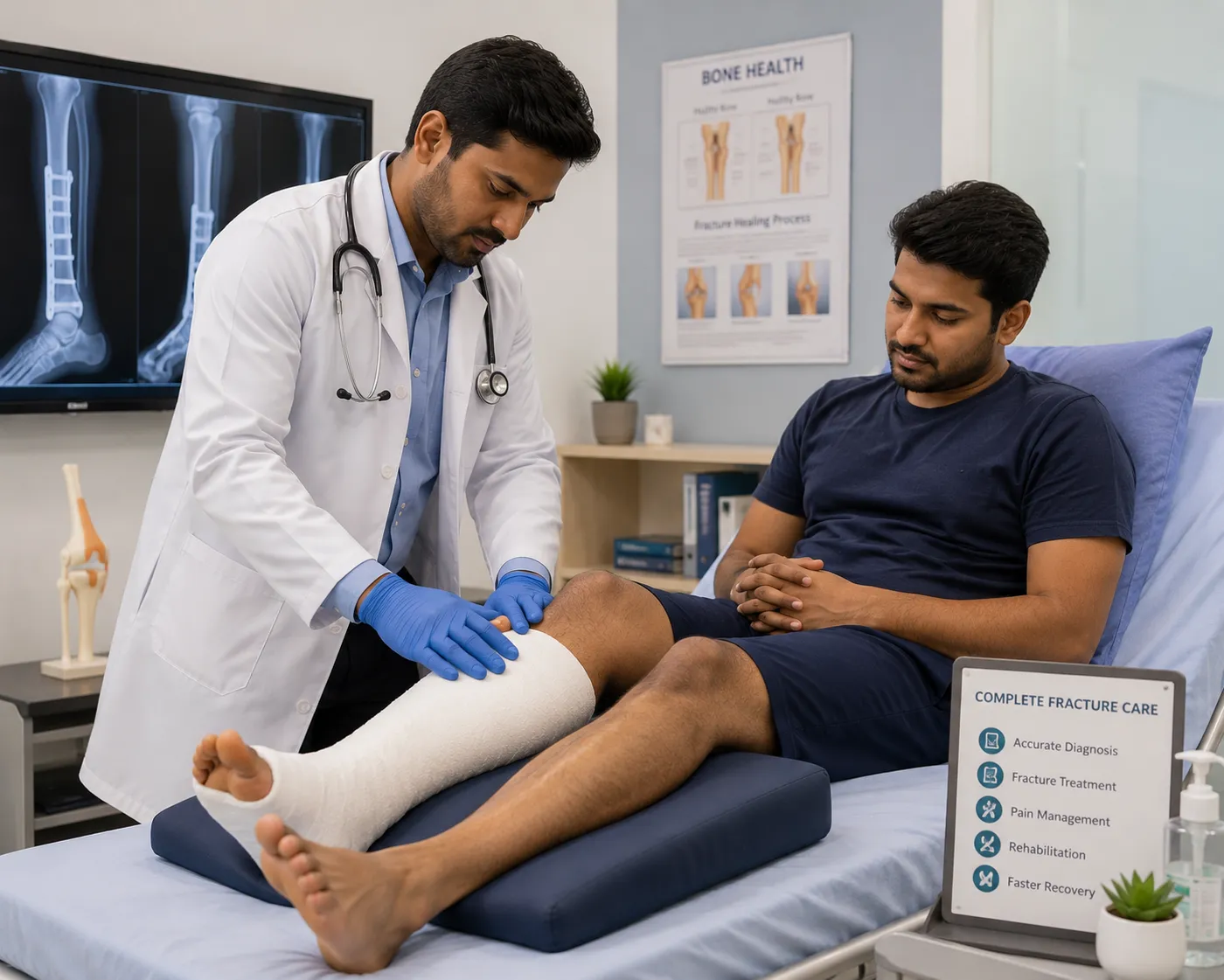
Immobilization
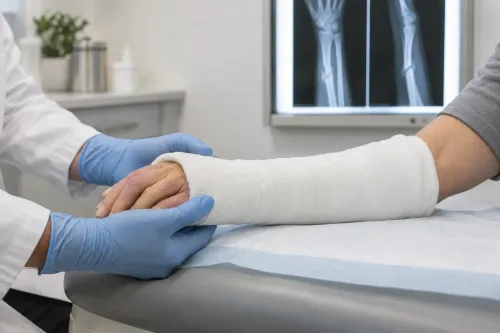
Minor fractures often heal with plaster casts, splints, or braces that keep the bone stable during recovery.
Closed Reduction
If the bone has shifted out of position, it may be realigned without surgery before applying a cast.
Surgical Fixation
Complex fractures may require plates, screws, rods, or other implants to restore bone alignment and stability.
Rehabilitation
Healing continues even after the bone joins. Physiotherapy helps restore muscle strength, flexibility, and joint movement.
Recovery Takes More Than Bone Healing
Many patients believe recovery ends once the cast is removed. In reality, muscles, tendons, and joints also require rehabilitation after weeks of immobilization.
Recovery often includes:
- Gradual weight-bearing
- Range-of-motion exercises
- Muscle strengthening
- Balance training
- Functional rehabilitation
Following the recommended rehabilitation programme reduces stiffness and improves long-term function.
Common Mistakes That Delay Healing
Certain habits may slow recovery after a fracture.
Avoid:
- Removing the cast without medical advice
- Ignoring swelling or severe pain
- Returning to sports too early
- Smoking during recovery
- Missing follow-up appointments
- Skipping physiotherapy sessions
Healing progresses differently for every individual, depending on age, bone quality, and the severity of the injury.
Frequently Asked Questions
How long does a fracture usually take to heal?
Most fractures heal within six to twelve weeks, although recovery may take longer for complex injuries or older adults.
Can all fractures be treated without surgery?
No. Stable fractures often heal without surgery, while displaced or joint-related fractures may require operative fixation.
Is pain normal after the cast is removed?
Some stiffness and mild discomfort are expected, but persistent pain should be assessed by the treating orthopedic specialist.
When can normal activities resume?
This depends on the fracture type, healing progress, and medical evaluation rather than a fixed timeline.
Timely Trauma Care Supports Better Recovery
Quick diagnosis, proper stabilization, and structured rehabilitation all contribute to successful fracture healing. Delaying treatment or relying solely on home remedies may increase the risk of long-term complications.
Patients in Mahalaxmi, Mumbai, who experience fractures or orthopedic trauma often seek comprehensive evaluation to restore normal movement safely. Shiva Orthopaedic Centre provides evidence-based fracture assessment, surgical care when required, and rehabilitation planning designed to help patients recover with confidence.
Keywords