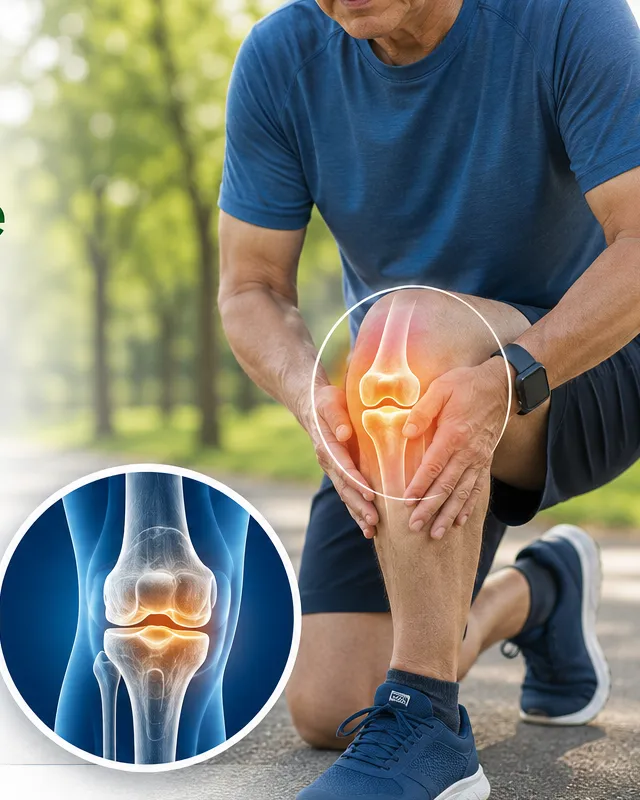
Osteoarthritis is one of the most common joint disorders worldwide, affecting millions of adults every year. Although it develops gradually, early attention can help preserve mobility and reduce discomfort before joint damage becomes severe.
Understanding the importance of Osteoarthritis Care allows patients to make informed decisions that support healthier joints and maintain an active lifestyle.
What Happens During Osteoarthritis
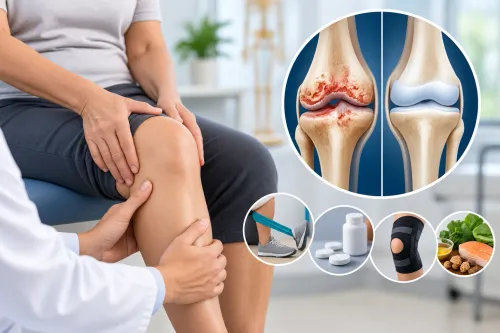
Healthy joints contain smooth cartilage that cushions bones during movement.
In osteoarthritis, this protective cartilage gradually wears down. As the cushioning decreases, bones begin rubbing against one another, causing pain, stiffness, and reduced flexibility.
Commonly affected joints include:
- Knees
- Hips
- Hands
- Spine
- Shoulders
Early Warning Signs Many People Ignore
The condition often develops slowly.
Typical symptoms include:
- Stiffness after waking
- Pain after activity
- Grinding sensation during movement
- Swollen joints
- Reduced range of motion
- Difficulty standing after prolonged sitting
Many working professionals in Lower Parel, Mumbai, attribute these symptoms to fatigue instead of seeking evaluation.
Who Is More Likely to Develop Osteoarthritis
Several factors increase risk.
These include:
- Ageing
- Previous joint injuries
- Obesity
- Family history
- Repetitive occupational stress
- Sports involving repeated joint impact
Having one or more risk factors does not guarantee osteoarthritis, but it increases the importance of early monitoring.
Why Early Care Matters
Treatment during the early stages often focuses on preserving existing cartilage and maintaining joint movement.
Benefits include:
- Better pain control
- Improved mobility
- Delayed progression
- Reduced dependence on medication
- Better quality of life
Early intervention often helps people continue normal activities longer.
Lifestyle Changes That Support Joint Health
Simple daily choices make a meaningful difference.
Helpful recommendations include:
- Regular low-impact exercise
- Weight management
- Balanced nutrition
- Muscle strengthening
- Avoiding prolonged inactivity
- Proper footwear
Consistency is more valuable than occasional intensive exercise.
Available Treatment Options
Management depends on disease severity.
Options may include:
Physiotherapy
Improves strength and flexibility while reducing joint stress.
Medication
Pain-relieving and anti-inflammatory medicines may improve comfort.
Joint Injections
Some patients benefit from injections that reduce inflammation or improve joint lubrication.
Surgical Care
Joint replacement may be recommended when conservative treatments no longer provide sufficient relief.
Can Osteoarthritis Be Prevented?
Not every case is preventable.
However, risk may be reduced by:
- Maintaining a healthy weight
- Treating sports injuries promptly
- Staying physically active
- Protecting joints during repetitive work
- Strengthening surrounding muscles
Healthy lifestyle habits support joints throughout life.
Frequently Asked Questions
Is osteoarthritis only an old-age problem?
No. Previous injuries and repetitive stress may cause earlier onset.
Does weather affect symptoms?
Some patients notice changes in discomfort during colder or humid weather, although experiences vary.
Should painful joints be completely rested?
Extended rest may increase stiffness. Controlled movement is generally recommended.
Is surgery the first treatment?
No. Most patients begin with conservative management before surgery is considered.
Looking After Joint Health Before Symptoms Become Severe
Osteoarthritis develops gradually, making early recognition especially valuable. Small improvements in daily habits combined with appropriate medical guidance often help patients remain active for many years.
Patients across Lower Parel frequently seek orthopedic evaluation when persistent knee, hip, or hand pain begins limiting normal movement. Shiva Orthopaedic Centre provides individualized assessment and treatment planning aimed at helping patients manage osteoarthritis with evidence-based care tailored to their stage of the condition.
Keywords