
Bone, joint, muscle, or spine problems can affect almost every part of daily life. Persistent knee pain can make stairs difficult, shoulder stiffness can interfere with dressing and exercise, and back pain can make long working hours uncomfortable. When these symptoms continue or begin limiting movement, choosing the right orthopedic doctor becomes an important step.
Patients searching for the Best Orthopedic Doctor in Worli should look beyond a single symptom or treatment. Good orthopedic care begins with understanding the cause of the problem, assessing how it affects movement, and selecting treatment according to the patient's age, activity level, medical history, and individual condition.
Look for a Thorough Orthopedic Assessment
Many musculoskeletal conditions produce similar symptoms. Knee pain, for example, may result from arthritis, ligament injuries, cartilage problems, overuse, or an earlier injury.
A proper orthopedic consultation may involve:
- A detailed symptom and medical history
- Physical examination of the affected area
- Assessment of movement and joint stability
- Review of previous injuries or surgeries
- Evaluation of available X-rays, MRI scans, or other reports
- Additional investigations when clinically appropriate
The purpose is to establish a diagnosis before deciding how the condition should be managed.
Consider the Range of Conditions Managed
Patients rarely know the exact diagnosis when they begin searching for an orthopedic doctor. They may simply know that their shoulder hurts, their knee is swollen, their wrist feels numb, or their back pain has persisted.
An orthopedic clinic capable of evaluating a broad range of musculoskeletal problems can be useful for patients experiencing conditions involving the:
- Knees and hips
- Shoulders and elbows
- Hands and wrists
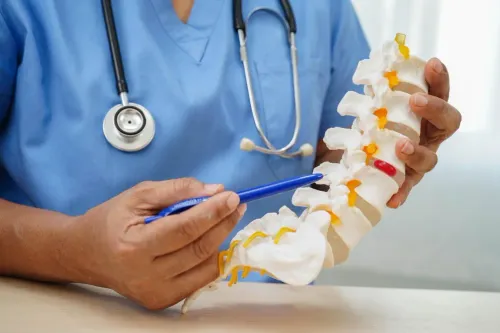
- Spine
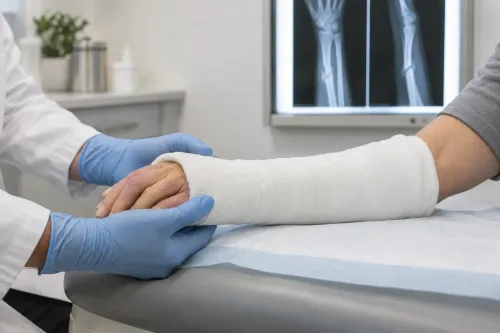
- Bones and fractures
- Ligaments and tendons
- Sports-related injuries
This is particularly relevant for families who may require orthopedic care for different age groups.
Understand the Approach to Non-Surgical Care
Seeing an orthopedic doctor does not automatically mean surgery will be advised. Depending on the diagnosis and severity, treatment may initially involve activity modification, medication, physiotherapy, exercises, supportive devices, or other conservative measures.
Patients should understand why a particular treatment has been recommended and what improvement can realistically be expected.
When conservative treatment is appropriate, follow-up is equally important. The response to treatment helps determine whether the existing plan should continue or whether further evaluation is necessary.
Know When Surgical Expertise Matters
Certain fractures, severe joint disorders, structural abnormalities, or injuries may require surgery. In these situations, patients benefit from understanding the reason for surgery, available approaches, recovery expectations, rehabilitation requirements, and possible risks.
A useful consultation should provide enough information for the patient to make an informed decision rather than treating surgery as an automatic next step.
Pay Attention to Communication
Orthopedic terminology can be difficult to understand. A doctor should be able to explain the diagnosis and available options in practical language.
Before leaving a consultation, patients should ideally understand:
- What is causing the symptoms?
- How serious is the condition?
- What treatment options are available?
- What activities should temporarily be avoided?
- What signs require reassessment?
- When should follow-up take place?
Clear communication can also improve adherence to rehabilitation and home-care recommendations.
Consider Accessibility for Follow-Up Care
For patients living or working in Worli and surrounding parts of Mumbai, location can matter because orthopedic treatment may involve more than one visit. Follow-ups may be required to monitor fracture healing, review imaging, assess joint symptoms, or evaluate progress after treatment.
Shiva Orthopaedic Centre provides orthopedic consultation for patients dealing with bone, joint, muscle, spine, fracture, and injury-related concerns. Having access to orthopedic evaluation within the local Mumbai area can make ongoing care easier to coordinate.
When Should You Book an Orthopedic Consultation?
Consider an orthopedic evaluation when pain continues despite rest, swelling repeatedly returns, joint movement becomes restricted, an injury affects normal walking or movement, or symptoms such as weakness or numbness develop.
Sudden severe pain, significant deformity after an injury, inability to bear weight, or major loss of movement deserves prompt medical assessment.
Finding appropriate orthopedic care is ultimately about getting the correct diagnosis and a treatment plan suited to the individual. For patients in Worli, Maharashtra, considering clinical experience, communication, treatment approach, and continuity of care can make the selection process more meaningful.
Keywords