A torn ACL does not automatically mean immediate surgery: the decision depends on knee instability, associated damage, your work and sport demands, and how well the knee responds to rehabilitation. By the end, you will know what happens at the consultation, which tests guide the plan, how to prepare, what occurs in the operating room, and what determines discharge and early recovery.
Key takeaways
- Your surgeon assesses knee instability, not the MRI alone.
- MRI, physical tests and activity goals guide the reconstruction decision.
- Arrange medication, transport and home support before ACL surgery.
- Discharge depends on pain control, mobility and safe use of crutches.
What happens at the first ACL reconstruction consultation?
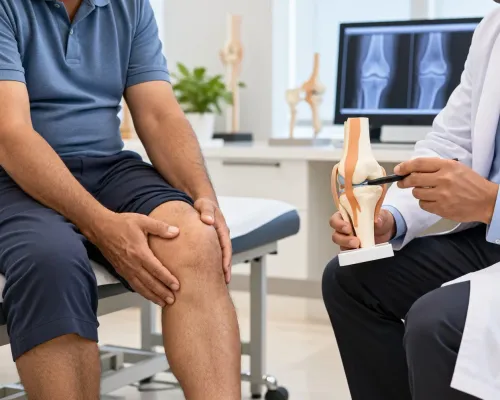
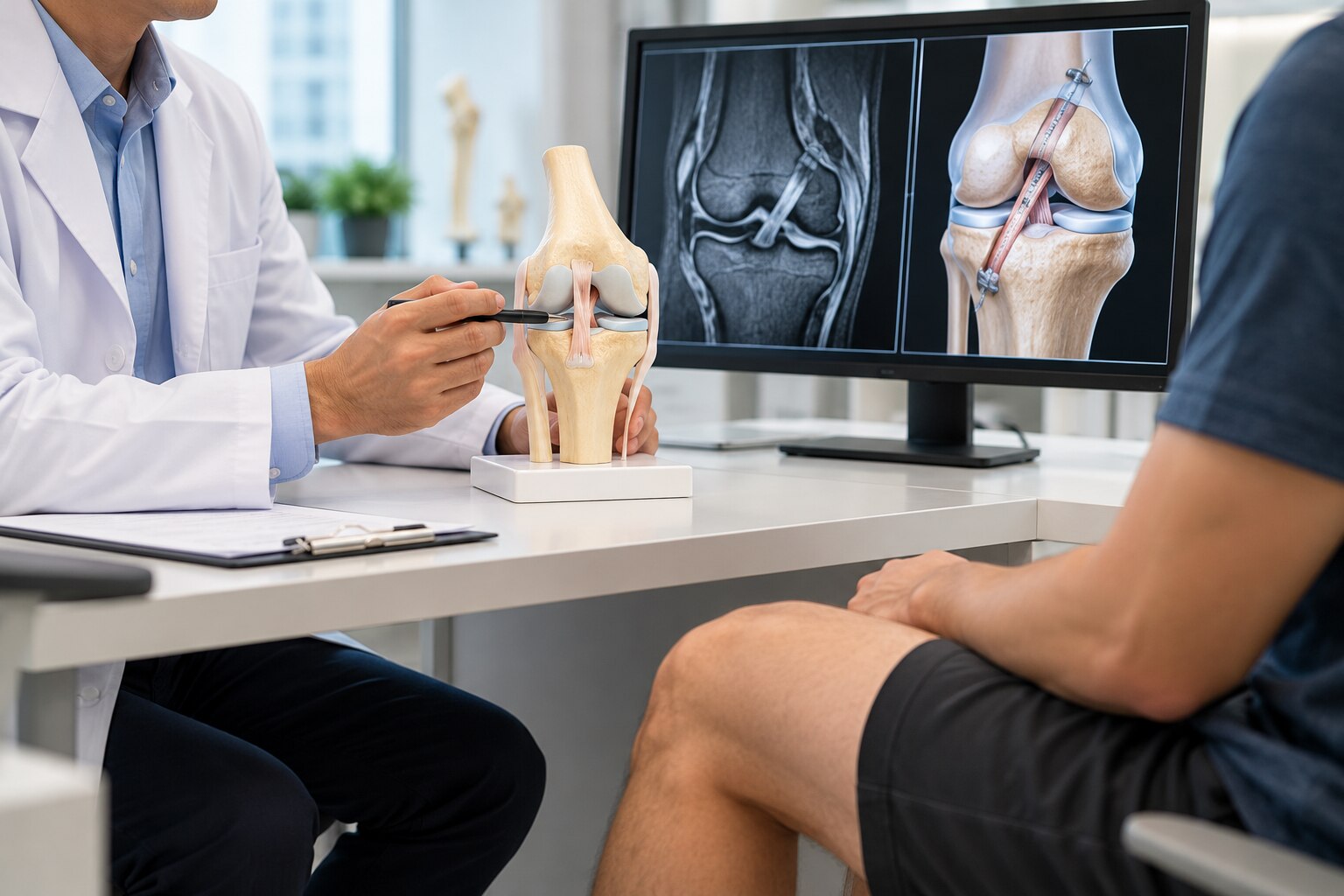
The first consultation determines how your knee functions, not just whether an MRI shows an ACL tear. The surgeon will ask how the injury happened, whether the knee has given way, which movements trigger instability, when swelling appears, and what treatment you have already tried.
Bring previous scan reports and images, prescriptions, physiotherapy notes, and details of any earlier knee surgery. Explain your job, usual activity level, sport, training schedule, and target for returning to work or competition. If you are arranging an ACL reconstruction consultation in Worli, bring these details to the appointment.
The examination commonly includes:
- Walking and gait assessment
- Swelling, range of motion, and quadriceps control
- Joint-line tenderness
- Lachman, anterior-drawer, and pivot-shift tests
- Signs of meniscal, cartilage, collateral-ligament, or other knee damage
The scan and examination answer different questions. Ask how the physical findings fit the MRI and whether an associated injury could change treatment, weight-bearing, movement restrictions, or rehabilitation.
| Finding | Treatment discussion | What it suggests |
|---|---|---|
| Stable knee with manageable symptoms | Rehabilitation or observation may be reasonable | The MRI tear does not automatically require reconstruction |
| Repeated giving-way on stairs, at work, or during sport | Reconstruction becomes a stronger discussion | Functional instability is affecting daily activity |
| Meniscal, cartilage, or collateral-ligament injury | Combined treatment may be needed | Recovery restrictions and rehabilitation can change |
Which tests and findings determine whether you need reconstruction?
MRI can confirm an ACL tear and show meniscal tears, cartilage injury, bone bruising, and damage to other ligaments, but it cannot decide surgery by itself. Your examination matters: recurrent giving-way, a positive Lachman or pivot-shift test, restricted movement, swelling, gait changes, and joint-line tenderness reveal how the knee functions.
Standing or weight-bearing X-rays show alignment, joint-space changes, fractures, and other bony findings that MRI may not answer. Pre-operative blood tests are ordered when your health history, examination, planned anaesthesia, or hospital protocol makes them necessary.
Treatment choice usually falls into one of three paths:
| Option | Findings that support it | What changes the plan |
|---|---|---|
| Rehabilitation alone | Complete tear but stable knee, low-demand activity, and no symptomatic giving-way | New instability, rising activity demands, or failure of rehabilitation |
| Delayed reconstruction | Swelling or stiffness needs treatment first, or you want time for rehabilitation and decision-making | Persistent instability or a meniscal injury requiring treatment |
| Reconstruction now | Recurrent giving-way, combined ligament injury, treatable meniscal tear, or cutting, pivoting, kneeling, and rapid direction changes at work or sport | Medical findings, expectations, or rehabilitation readiness |
Age is one factor alongside activity, previous injury, anatomy, occupation, and expectations—not a stand-alone rule. During the ACL reconstruction process in Worli, ask an ACL reconstruction surgeon in Worli which findings support each option and what would trigger a change.
Shiva Orthopaedic Centre can be one place to ask those questions during a local specialist assessment.
Related service
ACL Reconstruction Surgery ACL Reconstruction Surgery in Worli – Dr. Kumar Dussa Dr. Kumar Dussa at Shiv Orthopaedic Centre, Worli, specializes in ACL Reconstruction Surgery... View service → |
How should you prepare before ACL surgery?
Marked swelling and loss of knee extension can make recovery harder. Prehabilitation prepares your knee for surgery and the rehabilitation that follows, so reconstruction may be delayed until swelling and movement improve rather than performed on a markedly stiff knee.
1. Reduce swelling and restore movement. Work with your physiotherapist on heel-prop or other extension exercises, useful knee flexion, quadriceps-setting exercises, and straight-leg raises when you can perform them without lag or pain flare.
2. Rebuild control gradually. Use prescribed strengthening and walking practice, increasing effort without provoking renewed swelling. Your surgeon may use your movement, quadriceps control, and swelling to decide whether the operation should proceed.
3. Follow the agreed symptom plan. Take prescribed pain relief or anti-inflammatory medicine, and use ice or another swelling measure exactly as instructed. Do not add an over-the-counter medicine or supplement until a clinician confirms it is suitable.
4. Report risks before admission. Tell the surgical and anaesthetic teams about smoking, diabetes, blood-thinning medicines, allergies, and previous anaesthetic problems. Arrange an adult to take you home after day surgery; anaesthetic and prescription pain medicines can impair driving.
Plan time away from physical work, sport, prolonged standing, and difficult commuting. Prepare a sleeping and sitting area, clear walking routes, and obtain any prescribed crutches or brace before admission.
What happens during the ACL operation itself?
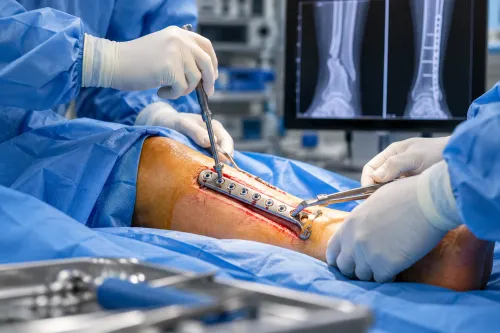
The operation usually starts with general or regional anaesthesia, followed by small arthroscopy portals around the knee. The surgeon inserts a camera, confirms the ACL injury, and inspects the menisci, cartilage, and other ligaments.
Repairable meniscal tears, cartilage damage, or additional ligament injuries may be treated during the same operation. That choice can change your weight-bearing, brace, range-of-motion limits, and rehabilitation timetable, so the ACL surgery steps in Worli or elsewhere involve more than placing a graft.
The graft is selected and prepared before the torn ACL is removed, although the surgeon may preserve suitable ligament tissue when appropriate.
| Graft option | Main advantage | Main trade-off |
|---|---|---|
| Bone–patellar tendon–bone | Bone-to-bone healing | Front-of-knee or kneeling pain |
| Hamstring tendon | Less patellar donor-site pain | Tendon harvest and hamstring recovery |
| Quadriceps tendon | Strong autograft option | Quadriceps harvest-site recovery |
| Donor-tissue allograft | No graft-harvest pain | Higher failure concern in young or high-demand patients |
The surgeon drills femoral and tibial tunnels at the intended ACL attachment sites, passes the graft through them, and secures it with fixation devices. Tunnel position and fixation depend on your anatomy and graft choice.
The portals are closed, and you are monitored in recovery. Operation time varies; meniscal repair, cartilage treatment, or additional ligament reconstruction makes it longer.
What determines discharge and the first stage of recovery?
Discharge follows function, not the clock. ACL reconstruction is often completed as a same-day procedure, but an overnight stay may be chosen when pain control, mobility, medical monitoring, anaesthesia recovery, or additional procedures need more time.
| Stay | What must be achieved | Why it changes |
|---|---|---|
| Same day | Stable vital signs, controlled nausea and pain, safe transfers and walking with the prescribed aid, and a clear home-care plan | Suitable when recovery is uncomplicated |
| Overnight | Continued monitoring, treatment, or supervised mobility | More likely after meniscal repair, cartilage treatment, additional ligament surgery, difficult anaesthesia recovery, or uncontrolled symptoms |
Early recovery covers prescribed pain relief, swelling control, wound protection, full-extension exercises, and quadriceps activation. A brace or crutches may be prescribed, but duration and weight-bearing limits depend on graft choice, meniscal repair, cartilage treatment, and the surgeon’s protocol.
Keep dressings and incisions dry for the instructed period. Ask which symptoms require urgent contact, including:
- Increasing redness, drainage, or fever
- Calf pain, chest pain, or sudden breathlessness
- Worsening swelling or pain despite prescribed treatment
Do not drive until you can control the vehicle, operate the pedals, and are free from sedating medicines; follow local rules and your surgeon’s clearance. Desk work can precede physical work when travel, pain, elevation, and concentration are manageable.
The ACL operation details in Worli should include return-to-activity criteria. Running and pivoting sport require adequate strength, movement control, hop performance, range of motion, low swelling, and psychological readiness—not a calendar date alone.
Frequently asked questions
What happens at the first ACL reconstruction consultation?
The surgeon reviews how the injury happened, episodes of giving way, swelling, painful movements and previous treatment. They also examine knee movement, stability, swelling and muscle strength.
Which tests and findings determine whether you need ACL reconstruction?
The decision combines physical examination, MRI findings, symptoms, knee instability, associated meniscus or cartilage injuries, activity goals and response to rehabilitation.
How should you prepare before ACL surgery?
Follow preoperative instructions, arrange transport and home assistance, prepare crutches and clear walking spaces. Tell the surgical team about medicines, allergies and medical conditions.
What happens during the ACL operation itself?
After anaesthesia, the surgeon examines the knee with an arthroscope, treats associated damage when needed, prepares a graft and secures it in bone tunnels to restore ligament stability.
What determines discharge and the first stage of recovery?
You need controlled pain, stable vital signs, safe movement with crutches and clear instructions for dressings, medicines, exercises and follow-up before going home.
Keywords