Most fractures heal satisfactorily when they are appropriately aligned, stabilized, and monitored. In some situations, however, a fracture may heal in a position that affects alignment or function. Other fractures may fail to unite as expected.
For patients exploring Corrective Fracture Surgery in Worli, the first step is understanding whether an old or poorly healing fracture is actually responsible for current symptoms and what correction would aim to achieve.
Why Can Problems Remain After a Fracture?
Fracture healing depends on several factors, including the original injury pattern, stability, blood supply, treatment, and patient-related considerations.
A fracture that heals in an unsatisfactory position is often described as a malunion. A fracture that does not heal within the expected clinical course may be assessed for delayed union or nonunion.
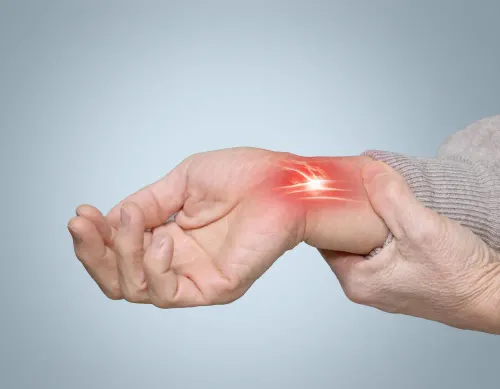
Depending on the bone and severity, patients may experience:
- Visible deformity
- Persistent pain
- Altered limb alignment
- Reduced joint movement
- Difficulty walking
- Abnormal loading of nearby joints
- Reduced function of an arm or leg
Not every minor change in alignment requires corrective surgery. The effect on function is an important part of the decision.
What Does the Orthopedic Assessment Involve?
Evaluation generally starts with the original injury history.
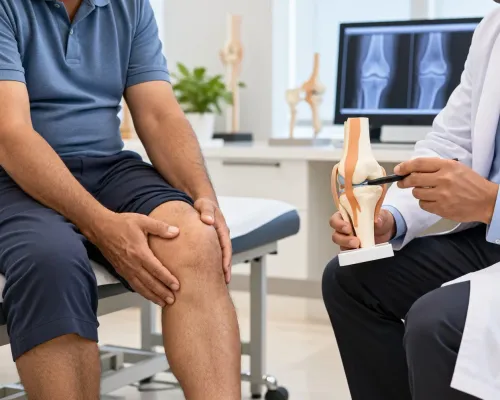
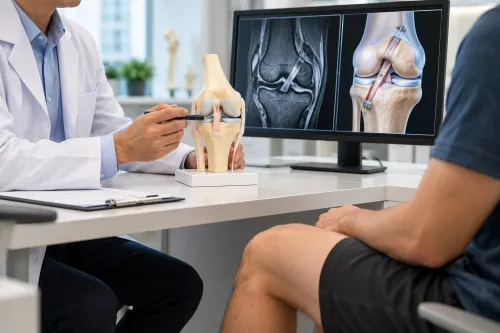
Previous X-rays, operation records, or treatment details can be useful when available. Current imaging helps assess bone union, alignment, joint involvement, and any existing implants.
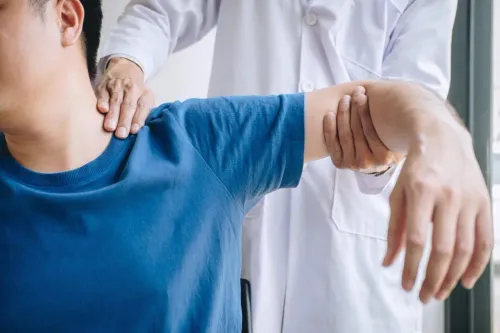
The orthopedic examination may evaluate limb length, rotation, alignment, joint movement, walking pattern, muscle strength, and the location of pain.
More detailed imaging may be required for complex deformities or surgical planning.
When Might Corrective Surgery Be Considered?
Surgery may be discussed when a healed or incompletely healed fracture produces clinically significant problems that are unlikely to improve adequately through conservative measures.
Possible reasons include substantial deformity, functional limitation, mechanical problems, persistent symptoms, or other complications related to fracture healing.
The exact procedure depends on the affected bone and the nature of the problem.
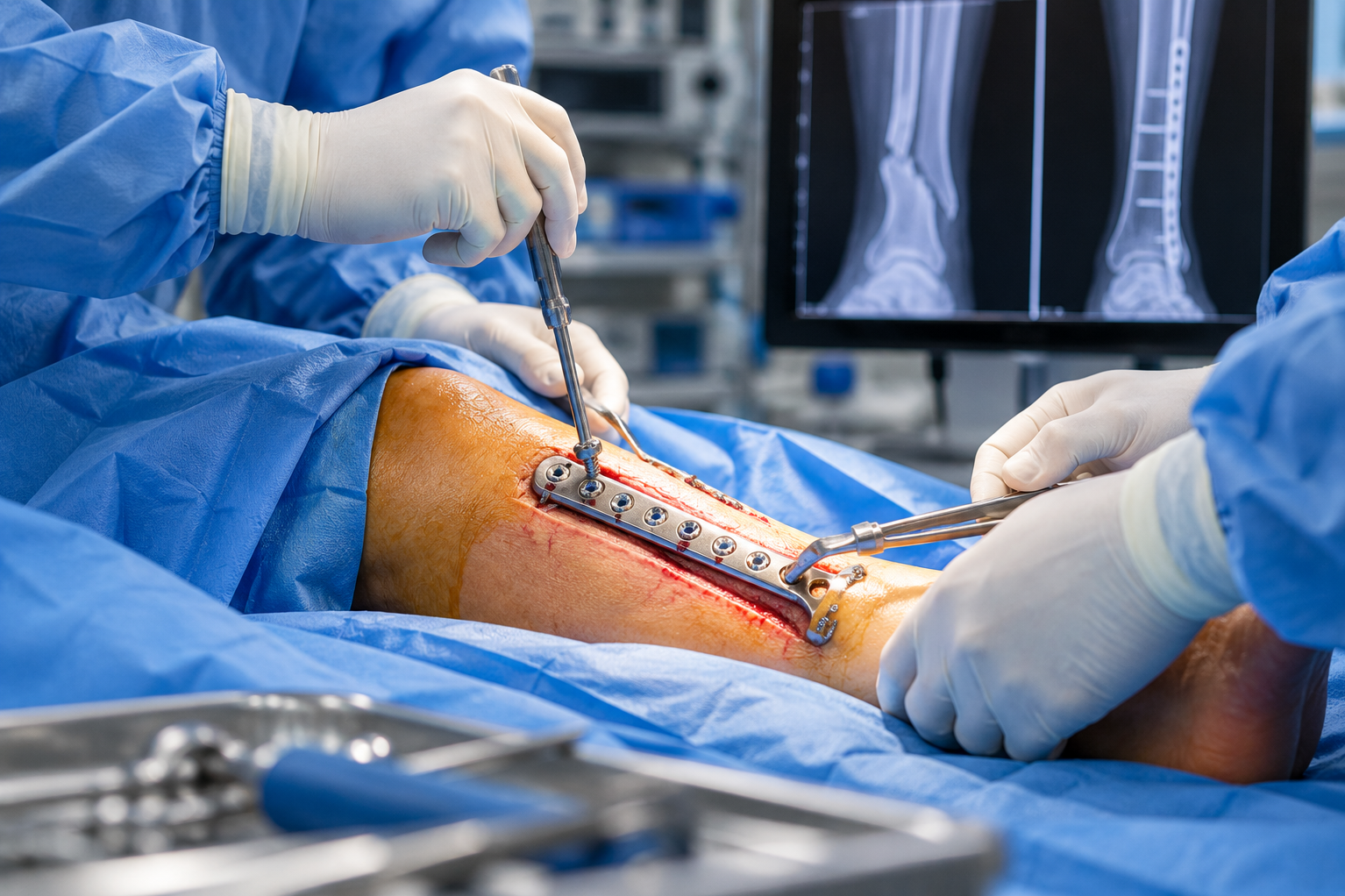
In some cases, corrective surgery may involve cutting and realigning the bone and stabilizing it in the desired position. Other situations may require management of a nonunion, revision of previous fixation, or additional procedures.
What Should Patients Understand Before Surgery?
Corrective fracture surgery can be more complex than treating a fresh uncomplicated fracture.
Before proceeding, patients should discuss:
- The specific problem identified
- The goal of correction
- The proposed surgical approach
- Potential risks and limitations
- Expected healing period
- Weight-bearing or activity restrictions
- Rehabilitation requirements
- Realistic functional expectations
A technically improved X-ray is not the only goal. Treatment should aim to address meaningful symptoms or functional problems.
Recovery Requires Patience
After corrective surgery, the bone needs time to heal in its new position. Follow-up imaging may be required, and weight-bearing or limb use may be restricted according to the procedure.
Physiotherapy can become important as healing progresses, particularly when a joint has been stiff or muscles have weakened.
Returning prematurely to demanding activity may compromise recovery, so rehabilitation milestones should be guided clinically.
Seeking Assessment in Worli
People sometimes live with the consequences of an old fracture because they assume nothing can be reconsidered once the bone has healed.
Shiva Orthopaedic Centre evaluates fracture-related orthopedic problems for patients in Mumbai, including situations where alignment, healing, pain, or function remains a concern after previous treatment.
For patients in Worli and nearby areas, reassessment can help establish whether symptoms are actually related to the previous fracture and whether conservative management or corrective intervention is appropriate.
Corrective surgery is not necessary for every imperfectly aligned fracture. Its value depends on the severity of deformity, symptoms, functional impairment, overall health, and expected benefit of intervention. A detailed orthopedic evaluation is therefore essential before deciding whether another procedure is justified.
Keywords