
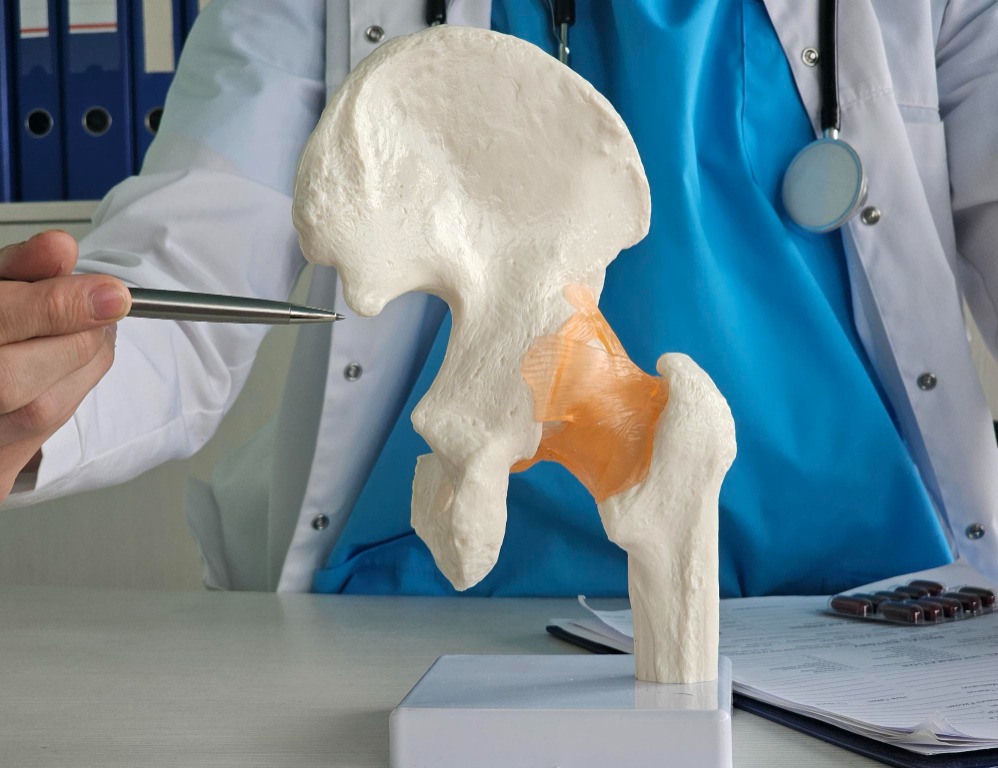
Hip arthritis can gradually shrink a person's daily world. Walking distances become shorter, getting into a car becomes uncomfortable, stairs require more effort, and putting on footwear may become difficult. Because these changes often happen slowly, patients sometimes adapt their routines for months or years before reassessing their treatment.
For people evaluating Hip Arthritis Treatment in Mahalaxmi, the important question is not simply whether arthritis exists. It is how significantly the condition affects function and whether the current treatment is still meeting the patient's needs.
Recognize the Functional Signs of Progression
Hip arthritis does not always present as pain directly over the side of the hip. Some patients experience discomfort in the groin, thigh, or even around the knee.
Common functional changes include:
- Reduced walking tolerance
- Difficulty climbing stairs
- Stiffness after sitting
- Trouble getting in and out of vehicles
- Difficulty bending to wear shoes
- Reduced hip movement
- Pain during daily activities
As symptoms progress, patients may begin avoiding activities they previously enjoyed.
Review What Conservative Treatment Has Achieved
Many patients begin with non-surgical management.
Depending on individual circumstances, this can include medication, physiotherapy, appropriate exercises, activity modification, weight management where relevant, and other measures recommended by the treating doctor.
Rather than asking whether conservative treatment 'works' in general, assess whether it works well enough for you.
Useful questions include:
- Can I perform essential daily activities?
- Is my walking ability reasonably maintained?
- Is pain controlled adequately?
- Am I sleeping comfortably?
- Can I participate in appropriate exercise?
- Are symptoms stable or progressively worsening?
These answers help establish the practical impact of the condition.
Do Not Judge Severity by Pain Alone
Some people tolerate considerable discomfort but have severe restrictions in movement. Others experience substantial pain before major mobility loss occurs.
Orthopedic assessment therefore considers symptoms, physical examination, functional limitations, imaging findings, general health, and patient goals together.
An X-ray is important in many cases but should not be the sole factor determining treatment.
When Should Surgical Options Be Discussed?
A discussion about surgical treatment may become appropriate when hip arthritis is advanced and symptoms remain significantly limiting despite suitable non-operative management.
Indicators for reassessment can include:
- Persistent pain affecting routine activities
- Major reduction in walking distance
- Increasing dependence on support
- Significant restriction of hip movement
- Difficulty managing essential daily tasks
- Inadequate relief from appropriate conservative treatment
These indicators do not mean every patient will require surgery. They suggest that it may be time for a detailed orthopedic review of available options.
What Should Patients Ask Before Making a Decision?
If surgery is being considered, patients should understand the proposed procedure, why it is appropriate, potential risks, expected rehabilitation, activity restrictions, and realistic recovery goals.
General health also matters. Medical conditions and medications may need to be reviewed as part of preoperative planning.
A well-informed decision considers both the burden of current symptoms and what treatment can realistically achieve.
Hip Arthritis Care for Mahalaxmi Patients
Mahalaxmi's central Mumbai location means many residents remain active through work, commuting, walking, and family responsibilities. Hip pain that reduces mobility can therefore have consequences beyond exercise alone.
Shiva Orthopaedic Centre provides assessment for hip and other joint conditions, helping patients understand the severity of their symptoms and the range of appropriate treatment options.
There is no single point at which every person with hip arthritis must move from conservative care to surgery. The decision is individualized. When pain, stiffness, and mobility restrictions increasingly interfere with independence and appropriate non-operative treatment is no longer providing sufficient relief, a fresh orthopedic evaluation can help clarify the next step.
Keywords